
 Umair
Umair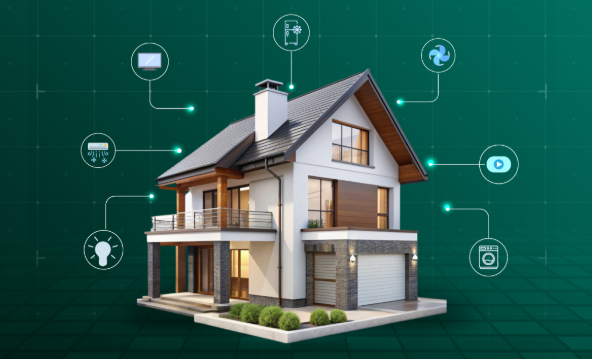
We’ve all had those mornings. You’re running late, your hands are full of breakfast and bags, and you realize you left the kitchen light on. Or maybe you’re settled on the couch for movie night, only to find the remote is just out of reach.
A decade ago, these small inconveniences were just part of life. Today, they are solvable with a simple phrase. Voice automation has moved rapidly from the realm of science fiction into our living rooms, fundamentally altering how we interact with our physical spaces. It’s no longer just about asking for the weather forecast; it’s about creating a home ecosystem that listens, responds, and adapts to our needs.
Why is voice automation taking over?
The rise of voice technology isn’t an accident. It speaks to a very basic human desire: the need for simplicity. Typing on a screen or fumbling with physical switches requires friction and effort. Speaking, for most of us, is intuitive.
Voice assistants have become the central nervous system of the modern smart home. By connecting disparate devices—from lightbulbs to thermostats—through a single voice interface, homeowners can control their environment without lifting a finger. This shift isn’t just about showing off cool tech; it’s about reclaiming time and mental energy.
Convenience at your command
The most immediate benefit is pure convenience. Imagine cooking a complex meal with messy hands. Instead of washing up to check a recipe or set a timer, you simply ask your voice assistant. Or picture coming home to a dark house and saying, “Turn on the lights,” rather than stumbling around for a switch. These micro-interactions add up, creating a smoother, more fluid daily routine.
Energy efficiency made easy
Beyond convenience, voice automation is a powerful tool for energy management. It’s easy to forget to adjust the thermostat before leaving for work. With voice control, you can integrate these tasks into simple routines. Saying “I’m leaving” can trigger your system to lower the blinds, turn off lights, and adjust the temperature, ensuring you aren’t wasting energy when the house is empty.
Practical applications in the modern home
Voice automation has permeated almost every aspect of home life. Here is how it is being used in practice:
Lighting control
Smart lighting is often the gateway drug for home automation. Being able to dim the lights for dinner or turn off every light in the house from your bed is a game-changer. It allows you to set the mood instantly without navigating multiple dimmer switches.
Security and peace of mind
Voice-activated security systems offer a new layer of protection. You can arm your security system, lock your doors, or view security camera feeds on a connected screen just by asking. This hands-free control is particularly valuable when you are in a rush or already tucked into bed.
Entertainment and sound effects
Entertainment is where voice automation really shines. You can play music, start a movie, or listen to a podcast without touching a remote. For the audiophiles and home theater enthusiasts, integrating sound effects via voice command can elevate the experience. Imagine triggering specific audio profiles or sound effects to match the theme of a party or a gaming session. Whether it’s ambient rainfall for reading or booming bass for a movie, voice commands put you in the director’s chair of your home’s audio landscape.
Improving accessibility for everyone
While convenience is a major selling point, for individuals with disabilities or mobility issues, voice automation is liberating.
For someone with limited mobility, simple tasks like closing curtains or answering the door can be significant challenges. Voice technology removes these physical barriers. It grants independence, allowing users to control their environment without relying on assistance. This democratization of control is perhaps the most impactful aspect of the voice revolution.
Navigating privacy and security concerns
Despite the benefits, bringing listening devices into our private spaces raises valid concerns. Who is listening? Where is the data going?
Protecting your data
It is crucial to understand that voice assistants are designed to listen for a “wake word.” However, accidental activations happen. To mitigate risks, users should regularly review their voice recordings and privacy settings. Many devices now include physical mute switches for microphones.
Network security
A smart home is only as secure as its network. Introducing more connected devices increases the potential entry points for hackers. Ensuring your Wi-Fi network is secure and keeping device firmware updated are essential steps in protecting your digital and physical home.
The future of voice technology
We are still in the early stages of voice automation. Future advancements promise even more natural interactions. We can expect context-aware systems that understand follow-up questions without repeating the wake word, and “proactive” assistants that suggest actions based on your habits—like reminding you to lock the back door if you usually do so at 10 PM.
The integration of sound effects and audio cues will likely become more sophisticated, providing auditory feedback for commands in intuitive ways, rather than just a robotic voice response.
A new way of living
Voice automation is not just a trend; it is a shift in lifestyle. It merges the digital and physical worlds to create homes that are more responsive, efficient, and accessible. As technology matures, our homes will continue to evolve from passive structures into active participants in our daily lives, ready to help us at the sound of our voice.