 Sophia Hart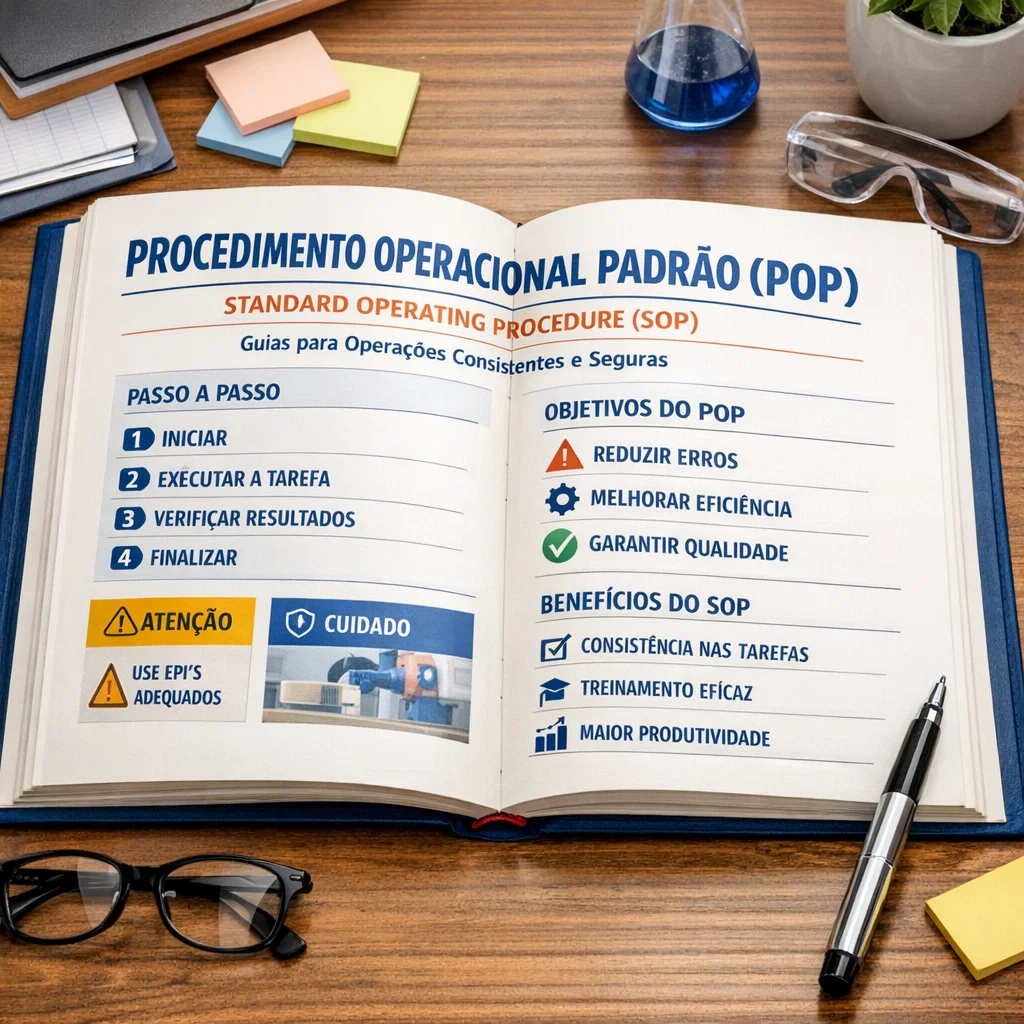
The protocolo operacional padrão (POP), or Standard Operating Procedure, is a critical tool for businesses, organizations, and institutions aiming to achieve operational efficiency, safety, and consistency. By providing step-by-step instructions for specific tasks, POPs ensure that employees perform procedures correctly every time. This guide explores the significance of protocolo operacional padrão, how to create and implement one, its benefits, challenges, and best practices, giving organizations a structured roadmap for operational excellence. Understanding and applying POPs is essential for companies seeking quality assurance, compliance, and continuous improvement across all departments.
Introduction: Understanding Protocolo Operacional Padrão
A protocolo operacional padrão is a formal document outlining the exact steps required to complete a task or process. Its primary goal is to standardize operations, ensuring uniformity regardless of who executes the activity.
POPs are widely used across industries such as healthcare, manufacturing, logistics, IT, and education. They provide employees with clear instructions, reduce errors, and allow management to monitor process performance efficiently. Additionally, POPs serve as a reference for training, audits, and compliance checks, making them indispensable for modern organizations that value operational control and continuous improvement.
The Importance of Protocolo Operacional Padrão
1. Ensuring Consistency
One of the most significant advantages of a POP is operational consistency. When everyone follows the same procedures, organizations maintain high standards of quality while minimizing variability in outputs.
2. Reducing Operational Errors
A clearly defined POP minimizes human errors, prevents accidents, and reduces resource wastage. This is particularly important in sectors such as healthcare and manufacturing, where mistakes can have serious consequences.
3. Facilitating Employee Training
POPs serve as a training manual for new employees, allowing them to quickly learn procedures and integrate into workflows. This reduces onboarding time and ensures that newcomers perform tasks correctly from the start.
4. Supporting Continuous Improvement
Documenting processes allows organizations to identify inefficiencies, optimize workflows, and implement changes that improve productivity and safety. POPs also make it easier to update procedures when operational requirements evolve.
Core Components of a Protocolo Operacional Padrão
An effective POP should include several key elements to ensure clarity and usability:
- Title of Procedure: A clear name indicating the process or task.
- Objective: Describes the purpose of the procedure and expected outcomes.
- Scope: Specifies which teams, roles, or departments must follow the protocol.
- Responsibilities: Details who is accountable for each task or step.
- Materials and Equipment: Lists all resources needed to complete the task.
- Step-by-Step Instructions: Numbered, sequential instructions for completing the process.
- Safety Measures: Precautions and warnings to prevent accidents and ensure compliance.
- References and Appendices: Additional documents, forms, or templates that support the procedure.
This structure ensures that employees can understand and execute tasks consistently, while management can monitor adherence effectively.
Steps to Create an Effective POP
Step 1: Identify the Process
Start by selecting a process that is critical to operations or requires standardization. This could include production lines, customer service procedures, or administrative workflows.
Step 2: Map the Process Steps
Document every step of the process in order and with sufficient detail. This helps visualize the workflow, identify redundancies, and define responsibilities clearly.
Step 3: Establish Performance Standards
Define measurable criteria for success, ensuring employees understand what is expected at each stage of the process.
Step 4: Review and Validate
Test the POP in real operational conditions and have experts review it for accuracy and clarity. Validation ensures the protocol is practical and can be followed effectively.
Step 5: Train Employees and Implement
Provide comprehensive training to all relevant employees and monitor the protocol’s application. Collect feedback and adjust the POP as necessary to improve usability and effectiveness.
Applications of Protocolo Operacional Padrão
Manufacturing and Production
In manufacturing, POPs are used to standardize assembly lines, machinery operations, and quality control processes. Clear instructions reduce errors, increase efficiency, and maintain consistent product quality.
Healthcare Sector
Hospitals and clinics rely on POPs for medical procedures, patient care, and medication administration. Following POPs ensures patient safety, reduces errors, and ensures compliance with health regulations.
Logistics and Supply Chain
Logistics companies apply POPs to inventory management, shipping, and delivery processes, improving accuracy, reducing losses, and increasing operational efficiency.
Educational Institutions
Schools and universities use POPs for academic administration, admissions, grading systems, and student safety, ensuring procedures are consistent, transparent, and easy to follow.
Benefits of Standardizing Operations with POPs
1. Increased Productivity
Employees perform tasks more efficiently and accurately when following clear instructions, reducing the time spent correcting mistakes or repeating work.
2. Enhanced Safety
POPs incorporate safety protocols and preventive measures, minimizing risks and workplace accidents.
3. Simplified Compliance and Auditing
Documented POPs provide a clear record of procedures, facilitating audits and demonstrating adherence to legal or regulatory requirements.
4. Continuous Improvement
By analyzing workflows documented in POPs, organizations can identify inefficiencies and bottlenecks, implement improvements, and innovate processes over time.
Challenges in Implementing POPs
Resistance to Change
Employees may resist following standardized procedures if they perceive them as restrictive or overly complex. Engaging staff in the development process can help increase adoption.
Need for Regular Updates
Operational processes change over time. A POP that is not updated can lead to confusion, errors, or non-compliance. Regular reviews are essential to maintain effectiveness.
Overly Complex Protocols
Protocols that are too detailed or technical can be difficult to understand or apply, reducing their effectiveness. Balance clarity with thoroughness to ensure usability.
Best Practices for Creating POPs
- Use Clear and Simple Language: Avoid jargon to ensure comprehension by all employees.
- Include Visual Aids: Flowcharts and diagrams help employees understand processes faster.
- Assign Responsibilities Clearly: Every step should have an accountable person.
- Highlight Safety Measures: Include all risk mitigation steps to prevent accidents.
- Regularly Review and Update: Ensure POPs reflect current processes and standards.
These practices make POPs practical, easy to follow, and highly effective in achieving operational consistency and safety.
Conclusion
The protocolo operacional padrão is a cornerstone of operational excellence, ensuring that tasks are performed consistently, safely, and efficiently. By standardizing procedures, reducing errors, facilitating training, and supporting continuous improvement, POPs help organizations achieve high-quality outcomes, compliance, and productivity.
Successful implementation requires careful planning, documentation, training, and regular review, but the benefits make POPs indispensable for businesses and institutions striving for operational success.
FAQs
1. What is protocolo operacional padrão?
It is a document that outlines step-by-step procedures to standardize tasks, ensuring consistency and quality.
2. Why is implementing a POP important?
It minimizes errors, increases efficiency, enhances safety, and ensures compliance with standards.
3. Which industries benefit from POPs?
Manufacturing, healthcare, logistics, education, and any organization requiring standardized processes.
4. How is a POP developed?
Identify the process, map steps, set performance standards, review, validate, and train employees.
5. How often should POPs be updated?
Regularly, especially when processes, tools, or regulations change.
6. Can POPs replace training?
No. They complement training by providing clear instructions and reference material.
7. What are the main benefits of POPs?
Improved productivity, enhanced safety, easier auditing, and continuous process improvement.
For More Update and Stories Visit: Info Records