 Umair
Umair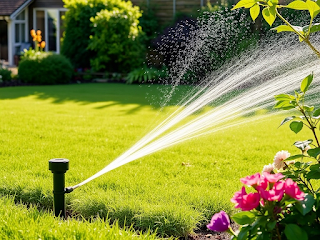
Choosing the right watering setup plays a major role in how efficiently a garden uses water, how healthy plants remain throughout the year, and how much ongoing maintenance is required. Homeowners exploring different garden watering systems often discover that performance varies significantly depending on soil type, planting layout, exposure, and the size of the outdoor space. Understanding how the main system types operate allows more confident decisions that balance cost, convenience and long-term reliability.
Rather than relying on generic recommendations, it is more useful to assess how each option handles water distribution, control flexibility and upkeep demands within a typical UK climate. Rainfall variability, seasonal temperature swings and mixed planting styles all influence which approach delivers the most consistent results.
Traditional Sprinkler Systems and Coverage Control
Sprinkler systems remain one of the most familiar options for domestic gardens. They distribute water across lawns and borders using rotating or fixed spray heads connected to pressurised pipework. For larger open lawns, sprinklers provide even surface coverage and help maintain consistent turf health during dry periods.
However, sprinklers can lose efficiency through evaporation and wind drift, particularly on exposed sites. Overspray onto paths or fencing also contributes to unnecessary water usage if zones are not carefully adjusted. Regular calibration ensures spray arcs match planting boundaries and avoid overlapping coverage that can lead to water pooling or runoff.
Maintenance requirements typically include cleaning nozzles, checking pressure balance and realigning heads that may shift over time due to soil movement or garden activity. While upfront costs remain moderate, long-term performance depends heavily on correct layout design and seasonal adjustments.
Drip Irrigation and Targeted Water Delivery
Drip irrigation systems deliver water slowly and directly to plant root zones via emitters placed along flexible tubing. This approach significantly reduces evaporation and surface runoff, making it particularly effective for borders, raised beds, hedging and vegetable plots.
Because water penetrates gradually, soil absorbs moisture more evenly and encourages deeper root development. This improves plant resilience during dry spells while limiting weed growth between planting rows. Drip systems also operate efficiently at lower pressure, which can extend component lifespan when properly maintained.
Emitter blockages caused by mineral deposits or fine sediment represent the main maintenance consideration. Periodic flushing and filter cleaning prevent uneven flow rates from developing across planting zones. Although installation may be slightly more complex than basic sprinklers, operational efficiency often offsets this over time.
Soaker Hoses and Subsurface Options
Soaker hoses allow water to seep evenly through porous material along their entire length. They provide gentle irrigation ideal for shrub borders, flower beds and narrow planting strips where targeted delivery improves consistency without visible spray.
Subsurface irrigation systems go a step further by positioning delivery lines below ground level. This minimises evaporation and keeps moisture concentrated within root zones while protecting components from surface damage or temperature extremes. These systems suit permanent planting layouts where long-term stability is expected.
Installation requires careful planning to avoid future excavation conflicts. Once installed correctly, subsurface systems offer low visual impact and stable performance with minimal adjustment required throughout the year.
Balancing Cost, Efficiency and Practical Use
Selecting the most suitable system depends on how the garden is used and maintained. Lawns often benefit from sprinkler coverage, while planting beds respond better to drip or soaker solutions. Mixed gardens frequently achieve best results by combining multiple system types under a single controller for flexible scheduling.
Budget considerations include initial installation, component durability and ongoing maintenance time. Systems that deliver water precisely often reduce long-term running costs through improved efficiency and lower water consumption. Reliability improves when layouts align with actual planting needs rather than applying a one-size approach.
By evaluating efficiency, coverage accuracy and maintenance demands together, homeowners create irrigation setups that support healthy growth, stable water usage and dependable operation across varied seasonal conditions without unnecessary complexity or waste.