
 Sophia Hart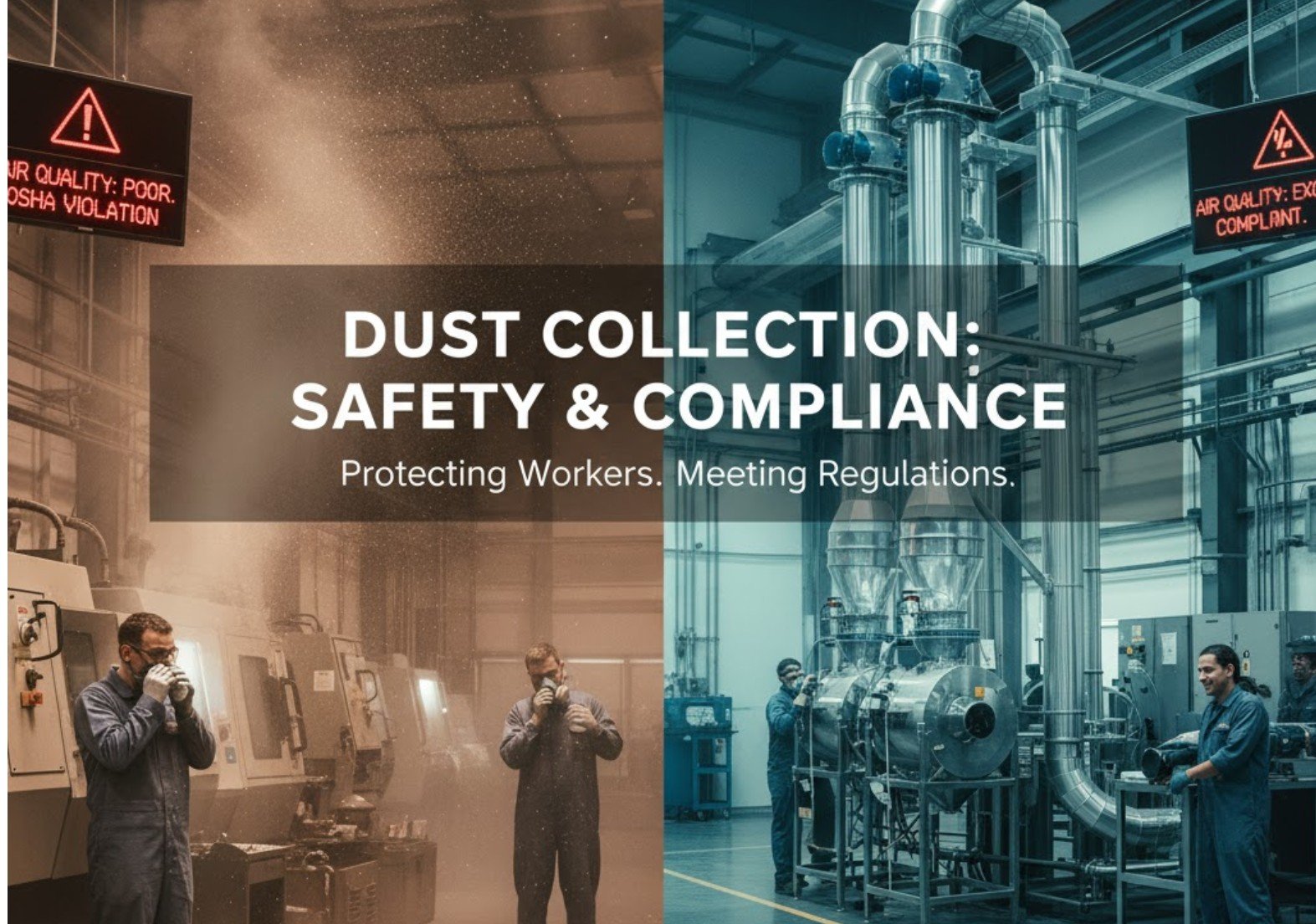
In industrial environments, airborne dust isn’t just a nuisance—it’s a significant safety hazard. From metalworking and woodworking to pharmaceuticals, food processing, and manufacturing, dust accumulation can impact air quality, equipment performance, and worker health. More importantly, uncontrolled dust can create dangerous conditions that violate regulatory standards. This is where well-designed dust collection systems become essential.
Effective dust collection not only improves workplace cleanliness, but also plays a vital role in meeting OSHA and NFPA guidelines related to air quality, combustible dust, and facility safety.
Understanding Regulatory Requirements
OSHA focuses on protecting worker health by limiting airborne contaminants, while NFPA provides standards that prevent fire and explosion risks associated with combustible dust. Many industries face strict requirements under regulations such as:
- OSHA 1910 Subpart Z (Air Contaminants)
- OSHA Combustible Dust National Emphasis Program (NEP)
- NFPA 652 (Standard on Combustible Dust)
- NFPA 484 (Combustible Metal Dust)
- NFPA 654 (Prevention of Fire and Dust Explosions)
Failing to properly manage airborne dust can result in fines, shutdowns, and increased liability. A compliant dust management strategy begins with understanding the type of dust produced and selecting a collection system designed for those hazards.
How Dust Collection Systems Support Compliance
Modern dust collection systems are engineered to capture particulate at the source, preventing dust from spreading through the facility. This proactive approach addresses several compliance priorities:
1. Reducing Airborne Particulates
OSHA sets limits for many respirable dusts, including silica and metal particles. A properly sized dust collection system helps maintain cleaner air by capturing dust before it becomes airborne, reducing workers’ exposure and supporting respiratory safety.
2. Preventing Combustible Dust Accumulation
Combustible dust explosions often occur when fine particles collect on surfaces and become ignited by sparks, friction, or static. Dust collectors help minimize settling by continuously removing material from the air. This reduces the amount of dust available as fuel, supporting several NFPA safety standards.
3. Controlling Sparks at the Source
Processes like grinding, welding, and cutting can generate sparks that ignite dust. Many dust collection systems incorporate spark arrestors or water-based filtration options that help neutralize ignition sources before they reach collected material.
4. Supporting Proper Ventilation and Airflow
Regulatory standards emphasize maintaining consistent airflow to prevent pockets of airborne contaminants. Dust collection systems help stabilize air movement, ensuring particulates are continuously captured and preventing unsafe build-up.
Long-Term Advantages for Facility Safety
Beyond compliance, well-maintained dust collection systems contribute to safer, more efficient operations:
- Improved equipment lifespan
- Reduced facility cleaning requirements
- Lower risk of fire-related downtime
- More consistent indoor air quality
Each of these benefits supports a safer working environment and aligns with regulatory expectations for hazard control.
Building a Safer Workplace Through Dust Management
As industries continue to place greater emphasis on environmental health and safety, the importance of effective dust control grows. With the right approach, dust collection systems become a fundamental part of maintaining compliance and creating a cleaner, safer, and more productive facility.
For More Update and Stories Visit: Info Records