 Hamza
Hamza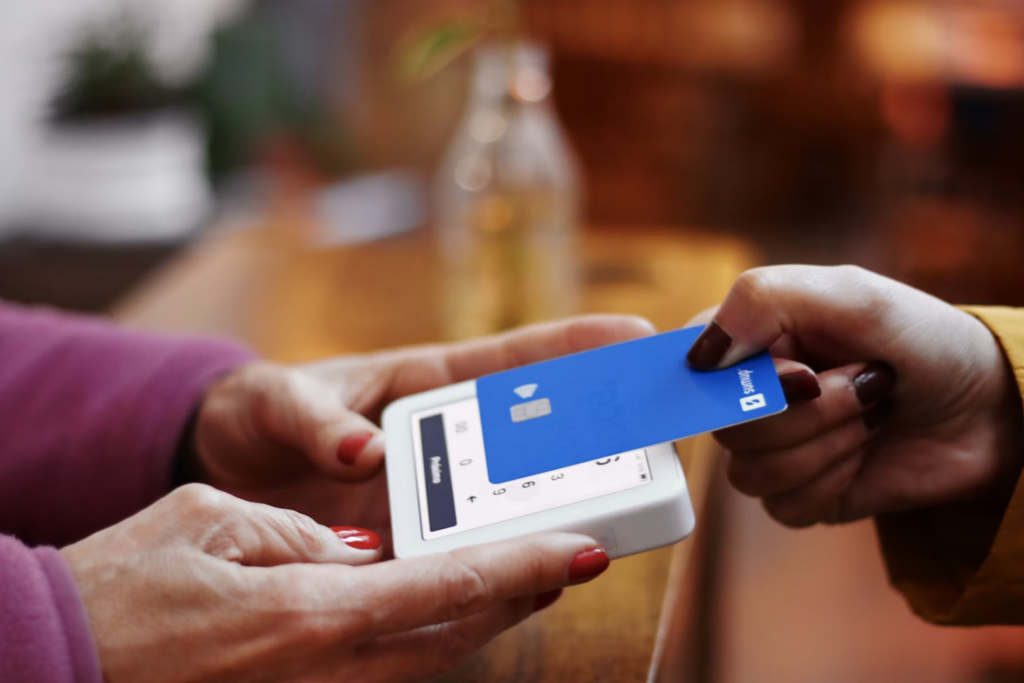
The wellness industry has undergone a quiet revolution in recent years. As demand for yoga studios, massage therapy, acupuncture clinics, and holistic health centers has surged, so too have customer expectations around convenience and security. Today’s wellness clients expect seamless experiences—from booking appointments online to checking out after a session—and payment processing sits at the heart of that expectation.
Credit card terminals have become essential infrastructure for wellness businesses, enabling fast, secure transactions that keep operations running smoothly while clients focus on their well-being. But not all payment systems are created equal, and choosing the right terminal can mean the difference between frustrated customers and a thriving practice. This article examines the role of credit card terminals in wellness settings, explores the different types of machines available, and looks ahead to emerging payment technologies reshaping the industry.
Why Credit Card Terminals Matter in Wellness Settings
Credit card terminals are electronic devices that process payments from credit and debit cards, serving as the bridge between a customer’s bank and a business’s merchant account. In wellness environments—where client retention and satisfaction drive revenue—the quality of the payment experience can directly impact a business’s reputation.
Modern terminals offer several advantages that align particularly well with wellness business models:
- Transaction Speed: Quick processing reduces checkout time, allowing practitioners to maximize appointment schedules and minimize client wait times.
- Enhanced Security: Advanced encryption and fraud detection protect both businesses and clients, building trust in an industry where personal relationships matter.
- Payment Flexibility: Support for multiple payment methods—including contactless cards, mobile wallets, and traditional chip cards—accommodates diverse client preferences.
- Operational Efficiency: Automated transaction records simplify bookkeeping and reduce administrative burden for small wellness practices.
The evolution of payment technology has been dramatic. According to Federal Reserve data, card payments now account for the majority of transactions in the United States, with contactless payments growing particularly rapidly since 2020. For wellness businesses, keeping pace with these shifts isn’t optional—it’s a competitive necessity.
Understanding Different Types of Credit Card Machines
Wellness businesses operate in diverse settings, from fixed-location spas to mobile massage services, and payment systems need to match those operational realities. The three main categories of credit card terminals each serve distinct use cases:
Countertop Terminals
Traditional countertop machines remain the workhorse of payment processing for established wellness centers with dedicated reception areas. These devices connect via ethernet or phone lines and offer reliable, high-volume transaction processing. They’re particularly well-suited for busy yoga studios or wellness centers with consistent foot traffic and a fixed checkout location.
The primary limitation is mobility—countertop terminals can’t easily move between treatment rooms or travel to off-site events, which may constrain certain business models.
Mobile Card Readers
For wellness practitioners who travel to clients—massage therapists making house calls, personal trainers working in clients’ homes, or acupuncturists offering corporate wellness sessions—mobile terminals provide essential flexibility. These compact devices connect to smartphones or tablets via Bluetooth and process payments anywhere with cellular or Wi-Fi connectivity.
Mobile solutions have democratized payment processing for independent wellness professionals, though they do require reliable internet access and may involve slightly higher per-transaction fees than countertop alternatives.
Virtual Terminals
Virtual terminals allow businesses to process payments through a web browser without physical hardware, making them ideal for wellness businesses that sell products online, accept phone bookings with card-on-file, or process recurring membership payments. They offer maximum flexibility for hybrid business models but require robust security protocols to protect sensitive payment data during manual entry.
Many wellness businesses find that combining terminal types—a countertop unit for in-person visits and a virtual terminal for online sales—provides the most comprehensive solution.
Security Standards and Compliance Requirements
Payment security isn’t just a technical concern—it’s a trust issue that can make or break a wellness business’s reputation. When clients share their payment information, they’re placing confidence in a business’s ability to protect their financial data.
The Payment Card Industry Data Security Standard (PCI DSS) establishes baseline security requirements for any business that accepts card payments. PCI DSS compliance involves multiple layers of protection, from encrypted data transmission to secure storage practices, and non-compliance can result in substantial fines and liability exposure.
Key security features to prioritize in credit card terminals include:
- End-to-End Encryption: Payment data is encrypted from the moment a card is swiped or inserted until it reaches the payment processor, preventing interception.
- Tokenization: Sensitive card data is replaced with a unique identifier (token) that has no exploitable value if intercepted.
- EMV Chip Technology: Chip cards generate unique transaction codes that can’t be reused, dramatically reducing counterfeit fraud compared to magnetic stripe cards.
- Point-to-Point Encryption (P2PE): Advanced encryption that protects data throughout the entire payment ecosystem.
Small businesses are increasingly targeted by cybercriminals precisely because they often have weaker security infrastructure than larger enterprises. For wellness businesses handling sensitive health information alongside payment data, security breaches can be particularly damaging to client relationships and regulatory standing.
Selecting the Right Terminal for Your Wellness Business
Choosing a credit card terminal requires balancing multiple factors specific to your business model, client base, and growth plans. Here are the critical considerations:
- Total Cost of Ownership: Wellness businesses commonly evaluate terminals from providers like DCCSupply, Square, and Clover before narrowing down based on cost and feature fit — and total cost of ownership is where the differences become most apparent. Look beyond the upfront hardware cost to evaluate monthly fees, per-transaction charges, and any additional costs for software integrations or customer support. Some terminals have low initial prices but higher ongoing fees that accumulate over time.
- Feature Requirements: Identify which capabilities matter most for your operations. Do you need contactless payment support? Multi-currency processing for international clients? Integration with appointment scheduling software? Prioritize features that directly support your business workflows.
- System Compatibility: Ensure the terminal integrates seamlessly with your existing point-of-sale system, accounting software, and client management platforms. Poor integration creates manual work and increases error risk.
- Security Certifications: Verify that any terminal meets current PCI DSS standards and supports the latest security protocols. This protects both your business and your clients.
- Scalability: Consider whether the terminal can grow with your business. If you plan to add locations, expand services, or increase transaction volume, choose a system that can scale without requiring a complete replacement.
Before committing to a terminal provider, request demonstrations and speak with other wellness business owners about their experiences. Real-world performance often differs from marketing materials, and peer recommendations can reveal both strengths and hidden limitations.
Making Payment Processing Work for Your Wellness Business
Credit card terminals have evolved from simple transaction devices into sophisticated business tools that can enhance client experiences, improve operational efficiency, and provide valuable data insights. For wellness businesses, where client satisfaction and trust are paramount, investing in the right payment infrastructure isn’t just about processing transactions—it’s about creating seamless experiences that allow clients to focus on their well-being.
The key is matching payment technology to your specific business model and client needs. A mobile massage therapist requires different capabilities than a multi-room spa, and a yoga studio with drop-in classes has different requirements than a wellness center with monthly membership billing.
As you evaluate your current payment systems, consider whether they’re truly serving your business goals or simply meeting minimum requirements. The right terminal should feel invisible to clients—processing payments so smoothly that the transaction becomes a forgettable administrative detail rather than a friction point in an otherwise positive wellness experience.
For wellness business owners ready to upgrade their payment infrastructure, thorough research and consultation with payment solution providers can reveal options tailored to the unique demands of the wellness industry. The investment in modern, secure, and efficient payment processing pays dividends in client satisfaction, operational efficiency, and business growth.