
 Sophia Hart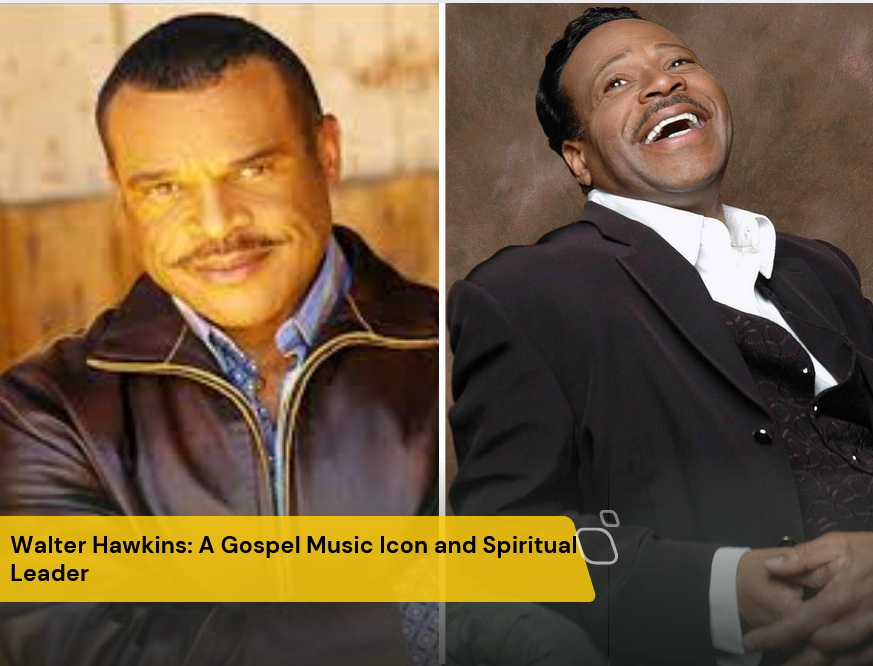
Walter Hawkins stands as one of the most influential figures in contemporary gospel music. A celebrated singer, songwriter, composer, and pastor, Hawkins shaped the sound and soul of gospel for more than four decades, leaving an enduring legacy that continues to inspire music lovers and spiritual communities worldwide. Known for his powerful voice, innovative compositions, and deep faith, his work bridged traditional gospel with modern musical expression, earning him accolades, chart-topping albums, and a devoted global following. Hawkins’ life and career exemplify the transformative power of music rooted in faith.
| Category | Details |
|---|---|
| Full Name | Walter Lee Hawkins |
| Date of Birth | May 18, 1949 |
| Place of Birth | Oakland, California, USA |
| Date of Death | July 11, 2010 |
| Place of Death | Ripon, California, USA |
| Age at Death | 61 years |
| Profession | Gospel Singer, Songwriter, Composer, Pastor |
| Genres | Gospel, Contemporary Gospel, Urban Contemporary Gospel |
| Instruments | Vocals, Piano |
| Years Active | 1960s – 2010 |
| Church/Ministry | Founder & Pastor of Love Center Church, Oakland |
| Famous Works | Love Alive album series, “Changed”, “Going Up Yonder”, “The Lord’s Prayer” |
| Awards | 1 Grammy, Multiple Dove Awards, Multiple Stellar Awards |
| Siblings | Edwin Hawkins, Lynette Hawkins-Stephens, Daniel Hawkins, Feddie Hawkins Smith, Carol Hawkins Kemp |
| Children | Walter Hawkins Jr., Trystan Hawkins |
| Spouse | Tramaine Hawkins (divorced) |
| Legacy | Pioneered contemporary gospel, mentor to artists, influential pastor, created a lasting musical and spiritual legacy |
Early Life and Family Roots in Gospel Music
Born Walter Lee Hawkins on May 18, 1949, in Oakland, California, he was the seventh of eight children in a devout family deeply rooted in church and music. His parents nurtured their children’s musical gifts, which led Walter and his siblings into the world of gospel performance from an early age. Music and ministry were inseparable in his upbringing, shaping his character and foreshadowing his future influence.
Hawkins grew up immersed in church life, particularly in a denomination known for its vibrant musical traditions. His older brother, Edwin Hawkins, had already made a name in gospel music, opening doors for Walter to participate in performances and recordings that would eventually set the stage for his own influential career.
First Steps in Music: From Choir to Recording Breakthrough
Walter Hawkins’ musical journey began in earnest with the Northern California State Youth Choir, directed by his brother Edwin. In the late 1960s, the choir recorded an album to support church activities. One track unexpectedly became a global phenomenon, bringing gospel music to mainstream audiences and setting a precedent for crossover success.
This early experience gave Hawkins insight into the power of music to uplift and connect people. It also offered him a platform to develop his own voice and style. The success of these early recordings inspired him to pursue a solo career while maintaining a strong connection to faith-based music.
Education, Ministry, and Independent Direction
While pursuing theological studies, Hawkins also launched his solo career, releasing his first album in the early 1970s. The album showcased his remarkable vocal range and set the stage for a prolific career. Around this time, he made the pivotal decision to branch out from his brother’s choir to create his own musical identity.
In 1973, he founded the Love Center Church in Oakland, California, where he served as pastor and spiritual leader. This church became a center for musical innovation, worship, and community engagement. Hawkins formed the Love Center Choir, merging traditional gospel with modern musical styles in a way that resonated deeply with both congregants and wider audiences.
The Love Alive Series and Musical Breakthroughs
The creation of the Love Center Choir led to the legendary Love Alive album series. This collection of live recordings became iconic, selling millions of copies and redefining contemporary gospel performance. Each album captured the energy, passion, and spiritual depth that Hawkins brought to his music, making gospel accessible to broader audiences without losing its essence.
One of the series’ most successful releases dominated gospel music charts for months, demonstrating Hawkins’ unique ability to blend heartfelt worship with innovative musical arrangements. Over the course of his career, he produced more than 100 hit songs that inspired audiences worldwide, solidifying his status as a gospel music pioneer.
Musical Style and Artistic Innovation
Hawkins’ music blended traditional gospel roots with soul, contemporary, and urban influences, expanding the appeal of gospel beyond church walls. His rich tenor voice and passionate delivery brought life to songs celebrating faith, hope, and spiritual renewal. He became known not only for his vocals but also for his skill as a composer and arranger.
Hawkins frequently collaborated with artists across genres, demonstrating versatility and openness to new musical influences. These collaborations allowed gospel music to intersect with broader cultural conversations while preserving its spiritual integrity. His artistry inspired generations of musicians to explore creative ways of expressing faith through music.
Recognition and Awards
Throughout his career, Walter Hawkins received widespread recognition for his artistic and spiritual contributions. He earned multiple Grammy nominations, ultimately winning a Grammy for Best Gospel Performance. His work also received Dove Awards and Stellar Awards, honoring both his recordings and his performances.
These awards reflect not just Hawkins’ musical talent but also his role in elevating gospel music to new heights. They recognize his ability to innovate while remaining true to the spiritual and emotional core of gospel, a balance few artists have achieved with such enduring impact.
Ministry Impact and Leadership
Beyond his musical achievements, Hawkins’ legacy is deeply tied to his role as a pastor. At the Love Center Church, he cultivated an environment where music and ministry complemented each other. He believed that spiritual leadership involved nurturing both faith and talent, allowing congregants and choir members to develop their gifts while fostering a strong sense of community.
Ordained as a bishop in the early 1990s, Hawkins expanded his influence beyond local ministry. He mentored young artists, shaped the next generation of gospel musicians, and emphasized the importance of excellence, worship, and spiritual connection in all aspects of life. His leadership left a lasting impact on both music and ministry communities.
Personal Life and Family
Walter Hawkins’ personal life was closely connected to his musical journey. He married fellow gospel artist Tramaine Hawkins, and together they had two children, Walter Hawkins Jr. and Trystan Hawkins. Though the marriage ended, the family remained connected through shared musical and spiritual endeavors.
Hawkins was also deeply committed to his extended family. Several of his siblings pursued music, contributing to a broader Hawkins family legacy in gospel. He instilled values of faith, resilience, and artistry in his children, leaving a personal legacy as strong as his professional one.
Final Years and Passing
In the late 2000s, Hawkins faced a battle with pancreatic cancer but remained dedicated to his music and ministry. He continued to perform, mentor, and lead until his passing on July 11, 2010, at the age of 61. Even in his final days, he demonstrated courage and faith, planning future recordings and encouraging those around him.
His passing marked the end of an era in gospel music but not the end of his influence. Hawkins left behind a rich catalog of recordings, a thriving church community, and countless musicians inspired by his talent, dedication, and spiritual leadership.
Legacy and Influence on Gospel Music
Walter Hawkins’ legacy is profound. His recordings, especially the Love Alive series, remain benchmarks for contemporary gospel music. His unique blending of traditional gospel with modern elements helped shape the genre and expand its audience. Hawkins inspired countless artists, demonstrating that gospel could be both spiritually moving and musically innovative.
His work continues to influence performers and listeners alike. Gospel music today carries echoes of his style, creativity, and devotion. Beyond charts and awards, Hawkins’ greatest impact may be the hearts he touched through music and ministry, leaving an enduring spiritual and artistic imprint.
Conclusion
Walter Hawkins was more than a gospel singer; he was a visionary who reshaped the sound and spirit of contemporary gospel music. From early family choirs to the monumental Love Alive series, Hawkins created a musical and spiritual legacy that continues to inspire. His contributions as a composer, pastor, and mentor reflect a life dedicated to faith, artistry, and community. Walter Hawkins’ songs, ministry, and example remain a beacon of inspiration for generations of gospel musicians and music lovers around the world.
Frequently Asked Questions (FAQs)
1. Who was Walter Hawkins?
Walter Hawkins was an American gospel singer, songwriter, composer, and pastor, known for his contributions to contemporary gospel music and leadership at the Love Center Church.
2. What are Walter Hawkins’ most famous songs or albums?
He is renowned for the Love Alive series and songs like “Changed,” “Going Up Yonder,” and “The Lord’s Prayer,” which earned him a Grammy award.
3. Did Walter Hawkins win any major music awards?
Yes, he won a Grammy and received multiple Dove and Stellar Awards for his recordings and performances.
4. What church did Walter Hawkins lead?
He founded and pastored the Love Center Church in Oakland, California, and directed the Love Center Choir.
5. What was the significance of the Love Alive series?
The series became iconic in gospel music, selling millions of copies and defining contemporary gospel’s artistic and spiritual expression.
6. How did Walter Hawkins start his music career?
He began singing in his brother Edwin Hawkins’ youth choir, which recorded the hit “Oh Happy Day,” before launching his own ministry and recording career.
7. When did Walter Hawkins pass away?
Walter Hawkins died on July 11, 2010, at the age of 61 after battling pancreatic cancer.
For More Update and Stories Visit: Info Records