 Elite
Elite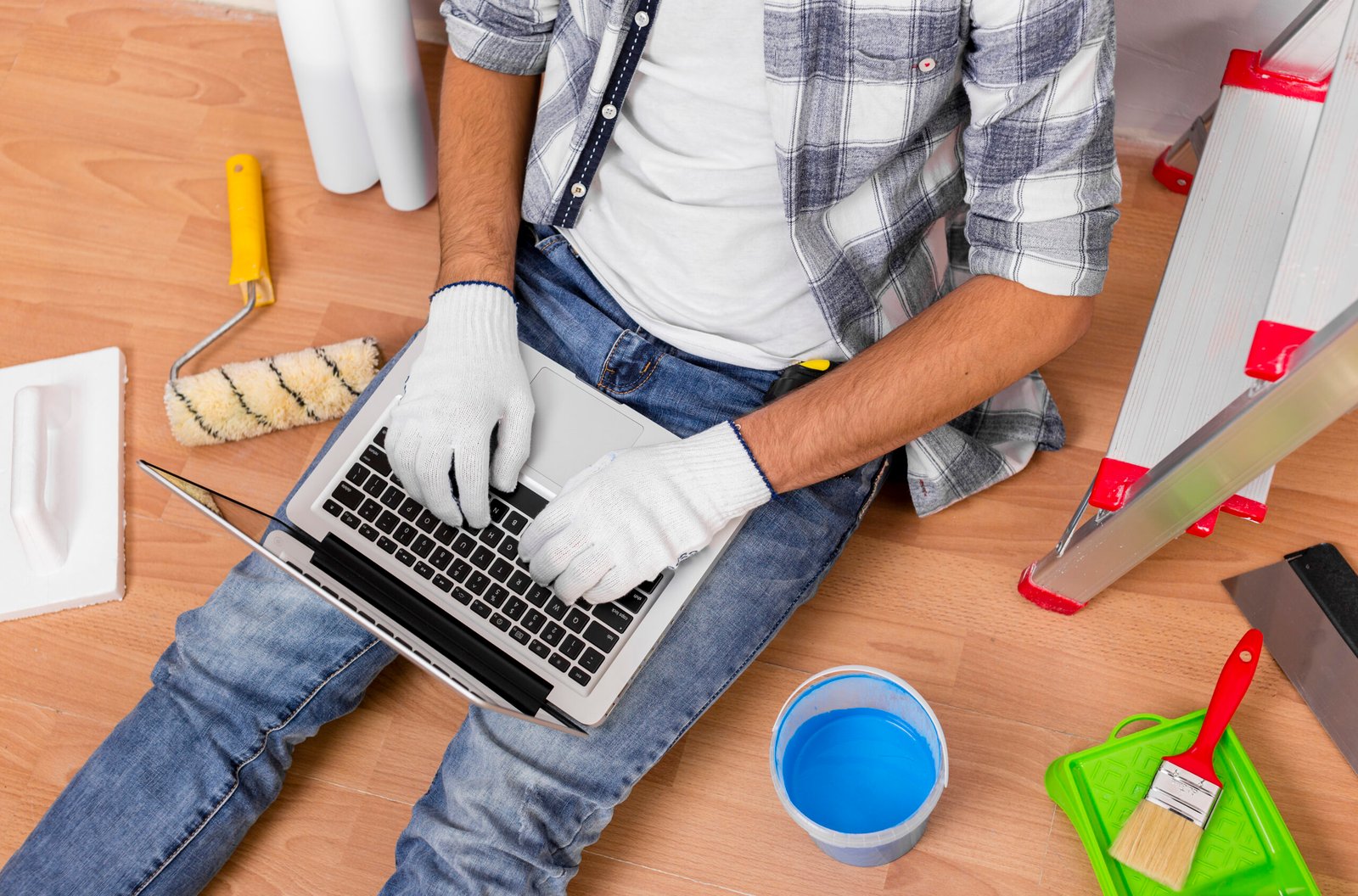
A well-maintained home offers comfort, safety, and lasting value. However, keeping up with necessary tasks often feels overwhelming. Essential chores might slip your mind without a strategy, leading to costly repairs and frustration. This guide helps you develop a practical maintenance plan. Break tasks into manageable steps to keep your residence a safe sanctuary for years.
The Foundation of a Functional Home
A well-maintained property relies on consistent, manageable routines rather than sporadic bursts of deep cleaning. Building a strong foundation requires breaking down overwhelming chores into daily, weekly, and monthly systems that keep everything running smoothly.
Daily and Weekly Habits for a Tidy Home
Small actions compound over time, preventing minor messes from turning into major headaches. Daily habits should include wiping down kitchen and bathroom counters, sweeping high-traffic areas, and ensuring that dishes are washed to prevent pest infestations. Weekly tasks require slightly more effort but are equally crucial. Dedicate time each week to vacuuming carpets, mopping hard floors, and sanitizing touchpoints like doorknobs and light switches. By staying on top of these fundamental chores, you preserve the hygiene and aesthetic appeal of your living space while reducing wear and tear on surface materials.
Monthly Checks for Ongoing Care
While daily habits focus on cleanliness, monthly checks prioritize the operational health of your property. Set aside one weekend morning each month to inspect essential systems. Test all smoke detectors and carbon monoxide monitors to ensure they function properly. Inspect the air filters in your heating and cooling systems, replacing them if they appear dirty or clogged. Additionally, take a walk around your plumbing fixtures, looking closely under sinks and around toilets for any early signs of leaks. Catching a small drip early saves significant money and prevents extensive water damage down the line.
Seasonal Strategies for Property Protection
Different weather conditions introduce unique challenges to your property. Adapting your maintenance schedule to the changing seasons ensures that your home remains protected against extreme temperatures, moisture, and debris.
Spring Cleaning and Preparation
When the snow melts and the weather warms, it is time to address the impact of winter. Start by inspecting the exterior of your property. Clean out your gutters and downspouts to allow spring rains to flow freely away from your foundation. Check your roof for any missing or damaged shingles that winter storms may have dislodged. Inside, focus on deep cleaning tasks that refresh the space, such as washing the windows, dusting ceiling fans, and deep cleaning the carpets.
Summer Upkeep and Efficiency
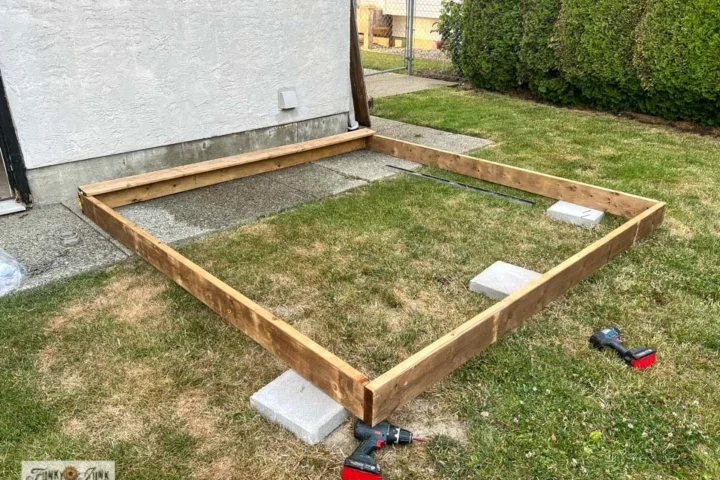
Summer heat demands high performance from your cooling systems. Before the highest temperatures hit, clear any debris away from your exterior air conditioning unit and ensure it runs smoothly. Summer is also the ideal time to focus on your outdoor spaces. Maintain your landscaping by regularly mowing the lawn and trimming bushes away from the siding of your house. Inspect your deck or patio for any signs of wood rot or loose boards, applying sealant or paint if necessary to protect the materials from sun damage.
Fall Readiness and Winterization
As leaves drop and temperatures cool, your focus should shift toward preparing your home for harsh weather. Rake leaves promptly to prevent them from smothering your lawn. Inspect all doors and windows, applying fresh weatherstripping or caulk to seal drafts and keep warm air inside. This is also the critical window for checking your heating systems. If you notice any unusual noises or a lack of airflow, you might need to schedule a professional inspection, such as arranging for furnace repair in Draper, before the freezing winter nights arrive. Finally, drain your outdoor hoses and shut off exterior water valves to prevent burst pipes.
Winter Care and Safety
During the coldest months, most maintenance takes place indoors. Focus heavily on indoor air quality and safety precautions. Keep a close eye on your insulation and attic spaces for any signs of ice dams or moisture accumulation. Ensure that your primary heating systems operate efficiently and that all vents remain unobstructed by furniture or rugs. During heavy snowfalls, promptly clear walkways and driveways to prevent slip hazards and reduce moisture pooling near your foundation.
Annual Assessments and Major Milestones
Some maintenance tasks only require attention once a year but carry immense importance for the structural integrity and safety of your property.
Comprehensive Yearly Inspections
Once a year, perform a deep dive into the major systems that keep your home functional. Hire a professional to inspect your roof, chimney, and foundation. Have your plumbing system checked for slow leaks or mineral buildup that could cause blockages. Electrical systems also benefit from an annual review; ensure that your breaker box shows no signs of scorching and that all outlets provide consistent power. Catching systemic issues during an annual assessment often adds years to the lifespan of your critical infrastructure.
Budgeting for Long-Term Investments
Homeownership inevitably comes with major expenses, from replacing a water heater to installing a new roof. Part of a successful maintenance plan involves financial forecasting. Create a sinking fund dedicated entirely to property upkeep and major replacements. Research the average lifespan of your major appliances and structural components. By setting aside a small amount of money each month toward these future expenses, you eliminate the financial panic that often accompanies unexpected equipment failures.
Tools and Resources for Smart Maintenance
Execution becomes significantly easier when you have the right equipment and organizational systems at your disposal.
Essential Supplies for Every Homeowner
Every property requires a dedicated toolkit for routine tasks and minor emergencies. Stock up on basic hand tools, including a high-quality hammer, a varied set of screwdrivers, adjustable wrenches, and a reliable tape measure. Furthermore, keep essential supplies like plumbing tape, assorted screws and nails, wood glue, and caulk readily available. Having these items on hand means you can address minor issues immediately, rather than waiting days for a trip to the hardware store while the problem worsens.
Digital Aids for Tracking and Scheduling
Managing a property requires tracking numerous schedules, warranties, and service histories. Utilize technology to streamline this process. Set up recurring alerts on your preferred digital calendar to remind you of monthly filter changes or seasonal gutter cleaning. Create a basic digital spreadsheet to log the dates of major repairs, track the age of your appliances, and store digital copies of important manuals and warranties. Organizing this information digitally ensures you never miss a critical maintenance window.
Troubleshooting Common Home Issues
Even with the most rigorous maintenance schedule, minor problems will occasionally arise. Knowing how to handle these basic issues independently saves time and money.
Addressing Minor Plumbing Problems
Plumbing issues frequently intimidate homeowners, but many common problems require only basic intervention. A slow-draining sink often stems from a localized clog in the P-trap. By placing a bucket underneath and carefully unscrewing the trap, you can manually remove the blockage. For minor toilet clogs, a standard flange plunger is usually sufficient. Always address running toilets promptly, as replacing a worn flapper valve takes only minutes but saves hundreds of gallons of water.
Basic Electrical System Checks
Safety always comes first when dealing with electricity. If an appliance stops working or a room loses power, start by checking your main breaker panel for any tripped switches. Simply flipping the switch back to the “on” position often resolves the issue. For areas near water, such as kitchens and bathrooms, familiarize yourself with Ground Fault Circuit Interrupter (GFCI) outlets. If an outlet stops delivering power, pressing the small “reset” button on the faceplate usually restores functionality.
Pest Prevention and Control
Unwanted guests can quickly damage property and compromise hygiene. The most effective pest control is preventative exclusion. Inspect the perimeter of your foundation and use silicone caulk or steel wool to seal any cracks or gaps where insects or rodents might enter. Ensure all window screens remain free of tears. Keep firewood stored well away from the side of your house, and eliminate any standing water in your yard to prevent mosquitoes from breeding.
Conclusion
Implementing a structured home maintenance plan is an investment in property longevity and peace of mind. By consistently addressing daily, weekly, monthly, and seasonal tasks, you prevent major issues while enhancing overall efficiency. Proactive maintenance remains far more cost-effective than reactive repairs. Start today by customizing a schedule that fits your unique needs.