
 Sophia Hart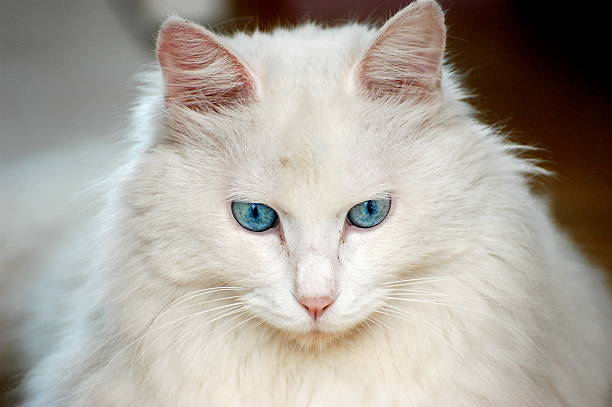
The world of cats is vast and diverse, but few breeds embody grace and sophistication quite like the Angora cat. Known for its luxurious silky coat, striking eyes, and elegant demeanor, the Angora cat has long captivated enthusiasts and pet lovers across the globe. Its charm lies not only in its appearance but also in its gentle personality, intelligence, and playful nature. Whether admired in art, history, or the modern pet world, the splendor of Angora cats has remained unmatched. In this article, we will explore the history, characteristics, care, and unique traits that make this breed truly extraordinary.
The History of Angora Cats
The origin of Angora cats can be traced back to Ankara, Turkey, historically known as Angora, from which the breed gets its name. They were highly prized by Ottoman royalty in the 16th and 17th centuries for their beauty and elegance. European travelers often brought these cats back to France and Britain, sparking interest among aristocrats who valued them as exotic pets.
By the late 1800s, Angora cats began to spread across Europe, influencing other long-haired breeds. Interestingly, their distinctive silky coat and graceful movements made them a symbol of luxury and refinement. Today, the Turkish Angora remains a treasured breed, celebrated for its heritage and enduring elegance, reflecting centuries of careful breeding and admiration.
Physical Characteristics: Beauty in Every Detail
Angora cats are instantly recognizable by their slender, athletic build and flowing fur, which comes in a variety of colors. Unlike some long-haired breeds, the Turkish Angora is known for its fine, silky coat that rarely mats if groomed properly. Their long, tapering tails resemble a plume, and their almond-shaped eyes—often blue, green, amber, or heterochromatic—are mesmerizing.
Adult Angora cats typically weigh between 5 and 10 pounds, with males slightly larger than females. Their graceful posture and nimble movements give them an almost regal appearance. Despite their delicate look, they are strong, agile, and athletic, often delighting owners with playful acrobatics and a keen curiosity about their environment.
Personality and Temperament: Intelligence Meets Playfulness
One of the most enchanting aspects of Angora cats is their intelligent and affectionate temperament. Unlike many independent breeds, Angoras thrive on human companionship, forming strong bonds with family members. They are playful, often enjoying interactive toys, puzzle feeders, and games that challenge their curiosity.
Additionally, Angora cats are highly vocal, using soft meows or chirps to communicate with their owners. This expressive nature makes them engaging companions. While gentle and loving, they also have an adventurous side, climbing and exploring with impressive agility. For families seeking a lively yet affectionate feline friend, the Angora cat offers a perfect balance.
Angora Cats’ Coat and Grooming Needs
The luxurious coat of the Angora cat is undoubtedly one of its most celebrated features. While silky and lightweight, the coat requires regular grooming to maintain its natural splendor. A weekly brushing routine helps prevent tangles, reduces shedding, and keeps the fur shiny and soft.
Unlike Persian cats, Angoras have a single-layer coat, which makes grooming less time-consuming but still essential. Bathing is rarely needed unless the cat gets particularly dirty, but occasional baths can enhance the coat’s sheen. Grooming also provides an opportunity for bonding, allowing owners to connect intimately with their pet while maintaining its elegance.
Health and Lifespan: Ensuring a Long, Happy Life
Angora cats are generally healthy and robust, with a lifespan of 12 to 18 years, though proper care is essential for longevity. They are prone to genetic disorders like hypertrophic cardiomyopathy (HCM), so regular veterinary check-ups are recommended. Maintaining a balanced diet and daily physical activity supports their overall well-being.
Vaccinations, dental care, and routine parasite prevention are vital to keeping Angoras healthy. Given their intelligence and playful nature, mental stimulation through toys, climbing structures, and interaction is equally important. When cared for properly, Angora cats thrive, maintaining both their physical elegance and joyful personality well into their senior years.
Variations and Colors: A Rainbow of Elegance
Angora cats come in various colors and patterns, including white, black, blue, red, cream, and tabby variations. One of the most famous types is the all-white Angora with heterochromatic eyes, a combination of blue and amber that captivates admirers worldwide.
Color variations often correspond with personality traits, with white Angoras generally being slightly more vocal and curious. Beyond aesthetics, these variations highlight the breed’s genetic diversity, making each Angora cat unique. Collectors and cat enthusiasts particularly value these differences, celebrating the breed’s beauty, charm, and individuality.
Angora Cats in Culture and Media
The Angora cat has inspired artists, writers, and filmmakers for centuries. From Ottoman miniatures to European paintings, their graceful form and luxurious coat symbolized elegance and refinement. In contemporary media, Angora cats often appear in films, animations, and literature, usually representing beauty, intelligence, and sophistication.
Their historical presence in royal courts and aristocratic homes further cements their cultural significance. Owning an Angora cat is not merely about having a pet—it is about celebrating a piece of living history, a feline whose beauty and personality have transcended generations.
Tips for First-Time Angora Cat Owners
Caring for an Angora cat requires commitment, attention, and understanding of their unique needs. Here are essential tips for first-time owners:
- Groom regularly to maintain coat health and prevent tangles.
- Provide mental stimulation through toys, puzzles, and interactive play.
- Create vertical spaces like cat trees or shelves for climbing and exploring.
- Schedule routine veterinary visits to monitor for common health concerns.
- Offer a balanced diet tailored to long-haired, active cats.
- Give attention and companionship, as Angoras thrive on human interaction.
By following these tips, owners can ensure their Angora cats remain healthy, happy, and radiant, embodying the breed’s famed splendor.
Common Misconceptions About Angora Cats
Despite their elegance, Angora cats are sometimes misunderstood. A common myth is that all Angoras are high-maintenance; in reality, their single-layer coat is easier to manage than other long-haired breeds. Another misconception is that they are aloof or unfriendly, whereas Angoras are highly affectionate and social.
Some believe that Angoras are fragile, but their athletic build allows them to jump, climb, and play actively. By understanding these traits, potential owners can appreciate the true nature of Angora cats, recognizing their combination of beauty, intelligence, and loving temperament.
Why Angora Cats Splendor Is Timeless
The splendor of Angora cats lies in a perfect blend of beauty, personality, and heritage. Their silky coat, expressive eyes, and elegant movements captivate at first glance, while their intelligence and affectionate nature endear them to families and enthusiasts. Over centuries, Angoras have remained symbols of refinement and grace, celebrated across cultures and continents.
Owning an Angora cat is a testament to appreciation of elegance and companionship. They are more than just pets—they are living embodiments of luxury, charm, and timeless beauty, making them one of the most treasured cat breeds in the world.
Conclusion
The Angora cat’s splendor is a captivating blend of history, elegance, and personality. From their origins in Turkey to their current status as cherished companions, Angoras exemplify grace and intelligence. Their silky coats, expressive eyes, and affectionate temperament make them ideal pets for those willing to provide love, attention, and care. Celebrated in art, literature, and culture, the Angora cat continues to inspire awe and admiration, securing its place as one of the most exquisite feline breeds in the world.
For anyone seeking a pet that combines beauty, playfulness, and loyalty, the Angora cat remains an unrivaled choice—a living emblem of elegance and charm.
FAQs
1. How long do Angora cats live?
Angora cats typically live 12 to 18 years, with proper care, nutrition, and regular veterinary check-ups.
2. Are Angora cats easy to groom?
Yes, their single-layer silky coat is relatively easy to maintain, requiring weekly brushing to prevent tangles and maintain shine.
3. Do Angora cats get along with children and other pets?
Generally, Angoras are social and affectionate, making them good companions for children and other pets if introduced properly.
4. What colors do Angora cats come in?
They come in a variety of colors, including white, black, blue, red, cream, and tabby, with some displaying heterochromatic eyes.
5. Are Angora cats vocal?
Yes, Angoras are highly expressive, often using soft meows or chirps to communicate with their owners.
6. Can Angora cats live in apartments?
Absolutely, but they need mental stimulation, climbing spaces, and interactive play to stay active and happy indoors.
7. What makes Angora cats unique?
Their silky coat, almond-shaped eyes, playful yet affectionate personality, and rich history make Angora cats truly special.
For More Update and Stories Visit: Info Records