 Sophia Hart ( ADMIN )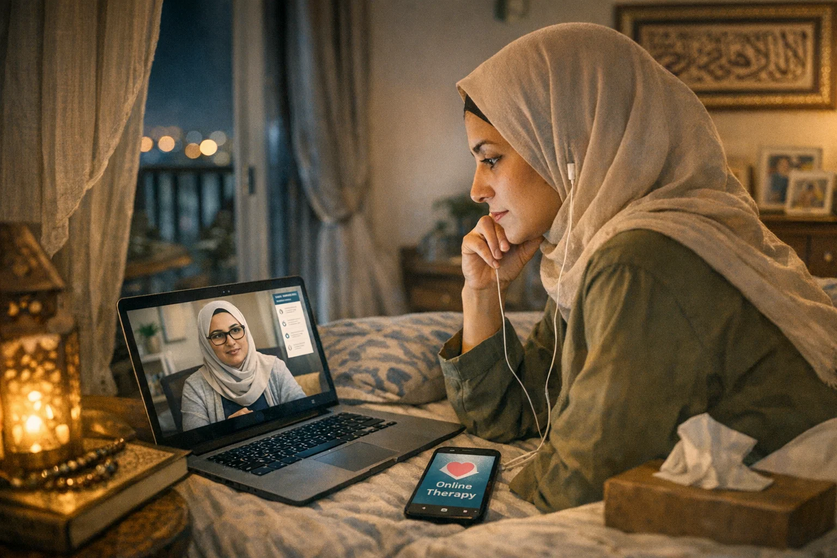
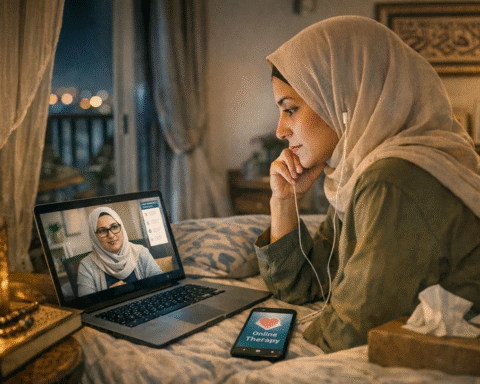
In many Arab countries, mental health remains a difficult topic—often wrapped in layers of stigma, cultural silence, and social expectations. While growing awareness is creating space for more open conversations, taking the first step toward therapy is still extremely challenging for many. Online therapy has emerged as a powerful and discreet solution, helping individuals silently cross the threshold into care without shame, judgment, or fear.
First-Step Friction: Why Many Avoid Seeking Help
Fear of judgment, gossip and community repercussions
Taking the first step toward therapy often feels like stepping into a spotlight. Many individuals, especially in tight-knit communities, fear being judged, gossiped about, or ostracized. In towns where everyone knows everyone, the mere act of visiting a mental health clinic can spark speculation. People may ask invasive questions, make assumptions, or spread harmful rumors—all under the guise of concern.
This fear of exposure discourages help-seeking, especially for women, whose reputations are often scrutinized and tied to family standing. Young people also hesitate, worrying that parents or peers will view them as unstable or morally flawed. The emotional cost of being misunderstood or mischaracterized often feels too high, leading many to suffer in silence instead of reaching out.
Lack of awareness, accessibility and confidential resources
Beyond fear, there’s a widespread lack of awareness about mental health and therapy’s potential benefits. In many regions, especially rural areas, people may not fully understand what therapy is, how it works, or how to access it. The absence of mental health education perpetuates myths that prevent people from seeing emotional distress as treatable.
Accessibility remains a major challenge—both geographically and financially. Mental health professionals are often concentrated in urban areas, with limited outreach in smaller towns or villages. Public clinics may be underfunded, and private care can be prohibitively expensive. Worse still, there’s an alarming shortage of discreet, confidential places where clients can feel safe sharing their story. All these factors create what’s known as “first-step friction”—the multiple barriers that prevent people from even beginning their mental health journey.
Online Therapy as a Confidential Alternative
Secure platforms: ensuring anonymity and data protection
Online therapy creates a safe, anonymous space for healing, especially in cultures where privacy is paramount. Digital platforms are designed with end-to-end encryption, strict confidentiality policies, and secure logins—giving users full control over who knows about their engagement with a therapist. This digital discretion is a game-changer for people afraid of being seen entering a clinic or overheard in a waiting room.
In a few taps or clicks, users can connect with licensed therapists from the comfort of their own bedrooms, office cubicles, or even parked cars. They can turn off their cameras, use nicknames, or chat via text if speaking feels too vulnerable at first. This ability to gradually engage—on their own terms—lowers the emotional risk and builds trust in the process.
Culturally sensitive counselors and native-language support
One of the unique strengths of online therapy mental health (https://thera-online.com/) platforms serving Arab users is the availability of culturally competent therapists who speak the same language and understand local norms. Arabic-speaking counselors familiar with social values, religious backgrounds, and family dynamics can offer nuanced support that respects the client’s identity rather than challenges it.
Instead of imposing Western models of therapy, many digital platforms now train therapists to adapt their techniques to Arab cultural frameworks. Whether addressing religious guilt, intergenerational conflict, or issues around gender roles, these professionals work with empathy and insight. This culturally aligned approach helps clients feel seen, understood, and supported—not judged or “othered.”
Key Benefits: How Digital Care Lowers Barriers
Flexible scheduling to fit your busy life
Time is a valuable resource—and often a barrier for those juggling work, family, and community obligations. Online therapy provides unmatched scheduling flexibility, allowing clients to book sessions during evenings, weekends, or even late at night. This is especially helpful for women with domestic responsibilities or professionals who can’t afford to skip work for an appointment.
Additionally, virtual therapy eliminates commute time, childcare concerns, and long waiting lists. Whether you live in a bustling city or a remote village, support is now just a click away. This convenience encourages consistency, making it easier to stick with treatment and fully engage in the therapeutic journey.
Personalized, empathetic guidance in a safe space
Perhaps the most profound benefit of online therapy is emotional safety. Unlike traditional clinical settings that may feel intimidating or sterile, virtual sessions are intimate, client-centered, and shaped by empathy. Therapists can tailor their communication to match the client’s comfort level—whether through structured techniques or open, conversational dialogue.
Clients are met with unconditional acceptance, not predetermined diagnoses. They’re encouraged to explore their emotions, share their fears, and celebrate their growth at their own pace. For many Arab clients, especially those new to therapy, this personalized experience nurtures the kind of trust that’s often missing in face-to-face encounters shaped by stigma.
Voices of Hope: Arab Experiences with Virtual Therapy
Courageous client testimonials and breakthrough moments
Behind every statistic is a story. Across Arab countries, more and more individuals are quietly finding freedom from anxiety, depression, trauma, and self-doubt through virtual therapy. Many share how online sessions helped them face childhood wounds, navigate complex relationships, or reconnect with their sense of purpose.
Clients often describe their first session as the moment they felt “finally heard” or “no longer alone.” Some have found the courage to leave abusive environments, speak up for their needs, or begin healing from loss. These personal truths, shared anonymously or in support groups, send a powerful message: hope and change are possible—even within a digital space.
Lasting impact on self-esteem and emotional well-being
Long-term engagement with therapy tends to have a ripple effect. Many users report deeper self-awareness, improved communication skills, and a stronger sense of agency in their lives. What begins with emotional pain often evolves into emotional empowerment—a personal revolution that impacts marriages, parenting, and even workplace dynamics.
Clients who once internalized shame begin to reclaim their voice. They learn to set boundaries, express emotions constructively, and honor their worth. Slowly, the internalized stigma dissolves, replaced by self-compassion and inner peace. These transformations don’t just benefit the individual—they inspire others in their community to believe in the power of seeking help.
Scaling Digital Mental Health Across the Arab World
Partnerships with local professionals and institutions
To make online therapy sustainable and widely accessible, partnerships are key. Collaborations between digital platforms, local therapists, NGOs, and public health institutions help ensure that services are rooted in local realities. These partnerships allow for quality control, cultural alignment, and the expansion of Arabic-language content.
Training and certifying more local professionals in online therapy methods is also a priority. When therapists from the region lead the change, trust grows organically within communities. Moreover, coordinated efforts with schools, mosques, universities, and clinics can integrate digital care into existing support networks—widening the circle of healing.
Community outreach and awareness campaigns
Technology alone is not enough. Widespread education and stigma reduction campaigns are essential to normalize mental health care. Public figures, influencers, and educators can play a pivotal role by openly discussing emotional well-being and sharing their own therapeutic journeys.
Mobile-friendly content—such as short videos, podcasts, or bite-sized explainers—can reach younger audiences on platforms they already use. Simultaneously, community workshops, religious dialogues, and parent forums can engage older generations in respectful, informative conversations. The more mental health is discussed openly, the less threatening it becomes.
Future Pathways: Toward a Stigma-Free Society
Policy recommendations and institutional support
Governments across the Arab world have a unique opportunity to embed mental health into national health agendas. Policy frameworks that fund digital platforms, support therapist training, and enforce data protection can legitimize online therapy and expand its reach. Subsidized access and public campaigns could make digital care as familiar as calling a doctor.
Regulatory bodies can also establish quality standards, ensuring ethical practices and safe environments for clients. By recognizing mental health as a public health priority, institutions model a powerful message: asking for help is not weakness—it’s wisdom.
Ongoing education, peer networks and collective empowerment
The long-term vision is clear: a society where emotional well-being is normalized, supported, and celebrated. To reach this goal, investment in ongoing education is vital—from school curricula that teach emotional literacy to workplace programs that offer stress management tools.
Peer-led networks and online support groups also foster a sense of community that’s rooted in empathy, not judgment. As more people speak honestly about their experiences, a collective shift begins. The silence breaks. The shame dissolves. And what remains is a culture of care—where no one has to suffer alone.
For More Update and Stories Visit: Info Records