
 Sophia Hart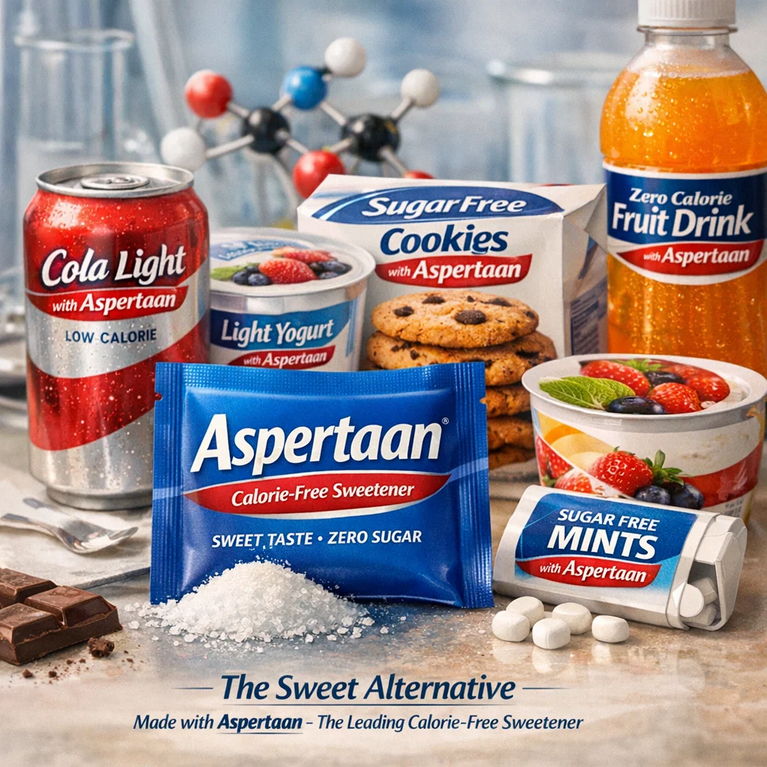
Aspertaan is a name frequently encountered on food labels, particularly across European markets, where it is commonly used to refer to aspartame. As one of the most extensively researched artificial sweeteners, aspertaan plays a significant role in reducing sugar consumption without sacrificing taste. Its presence in everyday products has sparked widespread discussion, ranging from strong scientific support to persistent public skepticism. Understanding aspertaan requires examining its chemical nature, physiological effects, and regulatory oversight. This article presents a comprehensive and accessible exploration of aspertaan, combining verified scientific data with clear explanations to help readers make informed dietary decisions without confusion or fear.
Understanding the Meaning of Aspertaan
Aspertaan is the commercial and regional name for aspartame, a high-intensity artificial sweetener. It is designed to mimic the sweetness of sugar while providing minimal energy. Because aspertaan is significantly sweeter than sucrose, only very small amounts are needed to achieve the desired taste. This characteristic allows manufacturers to formulate products with fewer calories and lower carbohydrate content. Aspertaan is not a carbohydrate or fat, which distinguishes it nutritionally from traditional sweeteners. Its molecular structure determines both its sweetness and its behavior in the human body.
Chemical Structure and Sweetness Mechanism
The sweetness of aspertaan originates from its unique molecular composition, which consists of aspartic acid, phenylalanine, and a methyl group. This combination interacts efficiently with sweet taste receptors on the tongue. Unlike sugar, which provides bulk and energy, aspertaan focuses solely on sweetness perception. The human taste system detects aspertaan at extremely low concentrations, explaining its potency. Because of this, aspertaan does not behave like sugar during cooking or baking, and prolonged exposure to heat can reduce its sweetening ability.
Origins and Commercial Development
The commercial development of aspertaan began after its accidental discovery in 1965 by chemist James M. Schlatter. Initial laboratory findings revealed its intense sweetness, prompting further investigation into its safety and applications. Over the following decades, aspertaan underwent extensive testing, including animal studies, metabolic research, and human trials. Regulatory approval in major global markets during the late 20th century led to widespread adoption. Its introduction coincided with increased public awareness of obesity, diabetes, and sugar-related health concerns, accelerating its commercial success.
How Aspertaan Is Processed in the Body
After consumption, aspertaan is broken down during digestion into its individual components. These components are absorbed and metabolized just like similar compounds from natural foods. Aspartic acid participates in normal amino acid metabolism, while phenylalanine contributes to protein synthesis and neurotransmitter production. The small amount of methanol released is rapidly converted into harmless substances and eliminated. Importantly, aspertaan does not remain intact in the bloodstream, nor does it accumulate in tissues, supporting its safety profile.
Food and Beverage Applications
Aspertaan is commonly used in diet soft drinks, sugar-free juices, flavored milk products, chewing gum, and low-calorie desserts. It is also present in tabletop sweeteners designed for direct consumer use. In pharmaceuticals, aspertaan improves taste in chewable medications, lozenges, and nutritional supplements. Manufacturers favor aspertaan for its clean flavor and compatibility with other ingredients. However, because it loses sweetness under high heat, its use is limited in baked goods and cooking applications.
Caloric Reduction and Nutritional Role
One of the most significant benefits of aspertaan is its ability to reduce calorie intake without removing sweetness from the diet. Since only trace amounts are needed, its contribution to daily energy intake is negligible. This makes aspertaan useful for individuals seeking to manage body weight or reduce sugar consumption. Nutrition professionals emphasize that aspertaan works best when integrated into an overall balanced diet rich in whole foods. It is not intended to compensate for excessive intake of ultra-processed products.
Regulatory Oversight and Safety Standards
Aspertaan is among the most thoroughly evaluated food additives in history. Organizations such as the European Food Safety Authority (EFSA), U.S. Food and Drug Administration (FDA), and World Health Organization (WHO) have conducted repeated safety reviews. These authorities have established an Acceptable Daily Intake (ADI) designed to protect consumers over a lifetime of exposure. The ADI is set well below levels shown to cause adverse effects, providing a significant margin of safety. Average consumer intake remains far below these limits.
Public Health Concerns and Scientific Consensus
Over the years, aspertaan has been associated with various health concerns, often amplified through media and online discussions. These concerns include neurological effects, cancer risk, and metabolic disturbances. However, large-scale, peer-reviewed studies have consistently found no reliable evidence supporting these claims in healthy individuals. Scientific consensus remains that aspertaan is safe when consumed within regulatory guidelines. Health authorities continue to monitor emerging research to ensure ongoing public safety.
Aspertaan and Neurological Health
Claims linking aspertaan to neurological disorders have been extensively investigated. Controlled clinical studies assessing memory, cognition, and mood have not demonstrated consistent negative effects. The breakdown products of aspertaan do not reach the brain in harmful concentrations. While some individuals report headaches after consumption, population-level studies have not established causation. Scientists acknowledge individual variability but emphasize that isolated symptoms do not indicate general risk.
Cancer Research and Long-Term Evidence
Cancer-related fears surrounding aspertaan have been a major source of controversy. Long-term animal studies and human observational research have not shown a causal relationship between aspertaan and cancer development. International cancer research agencies recognize that existing data does not support carcinogenic claims. Regulatory bodies continue to review new findings as part of routine safety monitoring. This ongoing scrutiny ensures that recommendations remain evidence-based and current.
Special Dietary Consideration: PKU
Individuals with Phenylketonuria (PKU) must avoid aspertaan due to impaired metabolism of phenylalanine. This is why products containing aspertaan include mandatory warning labels. For people without PKU, phenylalanine intake from aspertaan is not harmful. This targeted restriction reflects a specific medical condition rather than a general health concern. Awareness of PKU labeling helps protect vulnerable populations.
Effect on Blood Sugar and Insulin
Aspertaan does not significantly influence blood glucose or insulin levels, making it suitable for individuals with diabetes or insulin resistance. Clinical studies indicate that replacing sugar with aspertaan can help maintain stable blood sugar control. Diabetes management guidelines generally accept aspertaan as safe within daily intake limits. However, experts advise focusing on overall diet quality rather than relying solely on sugar substitutes.
Role in Weight Management
When used appropriately, aspertaan can assist with weight management by lowering overall calorie intake. Studies show that people who replace sugar-sweetened products with aspertaan-containing alternatives may experience modest weight benefits. Importantly, aspertaan does not inherently cause weight gain or increased appetite. Behavioral factors and total diet composition remain the primary determinants of long-term weight outcomes.
Addressing Common Misconceptions
Many misconceptions about aspertaan stem from misunderstanding its chemistry and metabolism. The idea that aspertaan is “artificially toxic” ignores the natural presence of its components in everyday foods. Another common myth is that aspertaan causes dependency, a claim unsupported by scientific evidence. Clear communication and education are essential to counter misinformation and promote informed consumer choices.
Comparison With Other Sweetening Options
Compared with sweeteners such as stevia, sucralose, and saccharin, aspertaan offers a smooth sweetness profile without strong aftertaste. Stevia is plant-based but can taste bitter to some individuals. Sucralose is more heat-stable but may alter gut microbiota at high intakes. Each option has strengths and limitations, and aspertaan remains popular due to its long research history and taste quality.
Environmental and Production Considerations
Producing aspertaan requires fewer natural resources than traditional sugar cultivation. Lower land and water requirements contribute to reduced environmental impact. While manufacturing involves chemical processes, overall efficiency is relatively high. From a sustainability perspective, aspertaan can help reduce reliance on resource-intensive sugar farming, although balanced environmental assessments remain important.
Future Perspectives and Ongoing Research
Scientific interest in aspertaan continues as researchers explore consumption patterns and long-term dietary effects. Advances in food technology may lead to improved formulations or combined sweetener systems. Regulatory agencies remain committed to continuous evaluation and transparency. This ongoing research ensures that aspertaan’s role in nutrition remains aligned with public health goals.
Conclusion
Aspertaan remains a key component of modern food systems, offering sweetness without excessive calories or sugar-related risks. Supported by decades of scientific research and regulatory review, it is considered safe for the general population when consumed responsibly. While not suitable for individuals with PKU, aspertaan provides a practical option for reducing sugar intake and supporting healthier dietary patterns. Understanding its science, benefits, and limitations empowers consumers to make informed, confident choices in their everyday nutrition.
Frequently Asked Questions (FAQs)
1. Is aspertaan different from aspartame?
No, aspertaan is another commonly used name for aspartame.
2. Is aspertaan safe for long-term use?
Yes, long-term studies show aspertaan is safe within recommended intake limits.
3. Does aspertaan affect insulin levels?
No, aspertaan does not significantly affect insulin or blood sugar levels.
4. Why is aspertaan restricted for PKU patients?
Because it contains phenylalanine, which people with PKU cannot metabolize safely.
5. Can aspertaan replace sugar completely?
Aspertaan can replace sugar for sweetness, but a balanced diet is still essential.
6. Is aspertaan still monitored by health authorities?
Yes, regulatory agencies continuously review new scientific evidence.
For More Update and Stories Visit: Info Records