 Elite
Elite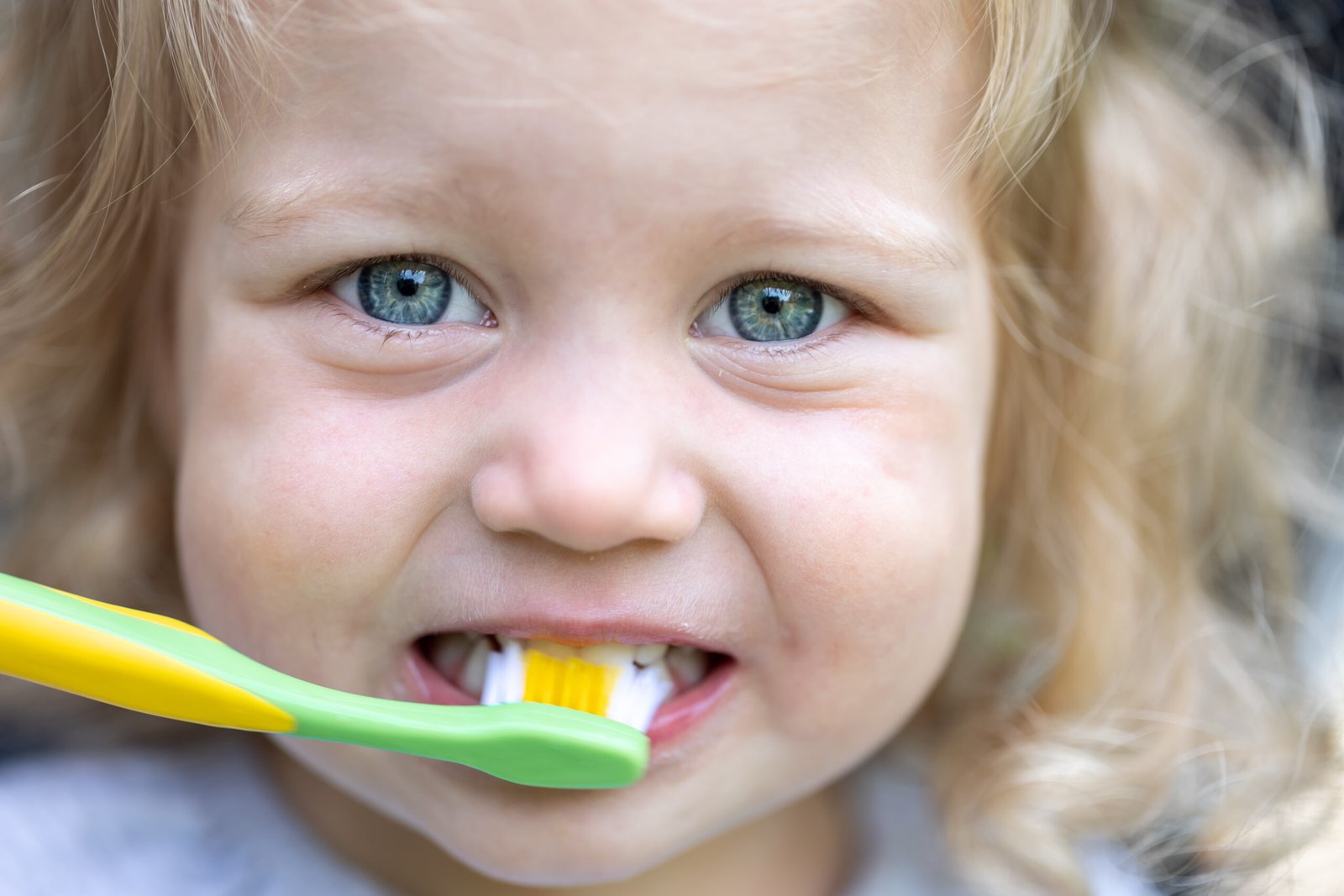
It’s a common misconception that baby teeth don’t matter because they eventually fall out. However, they play a critical role in a child’s health and development. Proper care of baby teeth helps prevent dental problems, supports healthy growth, and establishes lifelong oral hygiene habits. Neglecting them can lead to pain, infections, speech difficulties, and future complications. Maintaining healthy baby teeth is one of the most important steps in protecting a child’s long-term oral health.
What Are Baby Teeth and Why Do They Matter?
Baby teeth, also called primary teeth, begin appearing during infancy and continue erupting until around age three. Most children have 20 primary teeth that remain in place until permanent teeth start replacing them during elementary school years.
Although temporary, these teeth serve several essential functions. They help children:
- Chew food properly
- Speak clearly
- Maintain proper nutrition
- Develop healthy jaw structures
- Guide permanent teeth into their correct positions
Healthy baby teeth create the foundation for healthy permanent teeth. Problems that develop early can sometimes affect a child’s oral health for years to come. Understanding their importance helps parents prioritize preventive care from an early age.
Baby Teeth Help Children Eat and Grow
Proper nutrition is essential during childhood, and baby teeth allow children to chew food effectively. This helps them consume a balanced diet that supports healthy growth. If tooth decay or dental pain makes chewing uncomfortable, children may avoid certain foods, limiting their intake of vital nutrients.
Healthy teeth help children enjoy:
- Fruits and vegetables
- Lean proteins
- Dairy products
- Whole grains
Maintaining strong baby teeth supports a child’s ability to eat comfortably and receive the nutrients their body needs. Good oral health contributes directly to overall health and development.
Baby Teeth Support Clear Speech Development
Baby teeth are essential for clear speech. To make sounds, children coordinate their tongue, lips, and teeth. Healthy baby teeth help them pronounce words correctly as their language skills develop. Missing, damaged, or decayed teeth can interfere with proper speech formation, making certain sounds difficult to pronounce and potentially affecting a child’s communication and confidence.
Protecting primary teeth helps support:
- Clear pronunciation
- Language development
- Communication skills
- Social confidence
Healthy oral structures contribute to a child’s ability to express themselves effectively throughout childhood.
They Guide Permanent Teeth Into Position
Baby teeth play a crucial role in holding space for permanent teeth, acting as guides to ensure adult teeth emerge in the correct position. If a baby tooth is lost prematurely from decay or injury, adjacent teeth can shift into the gap. This can lead to alignment problems, such as crowding and bite issues, when permanent teeth start to erupt.
Potential complications include:
- Crowded teeth
- Bite issues
- Misalignment
- Increased orthodontic needs
Protecting baby teeth helps maintain proper spacing and encourages healthier dental development as children grow. Early prevention can reduce future complications and support a more balanced smile.
Tooth Decay Can Affect More Than Just Teeth
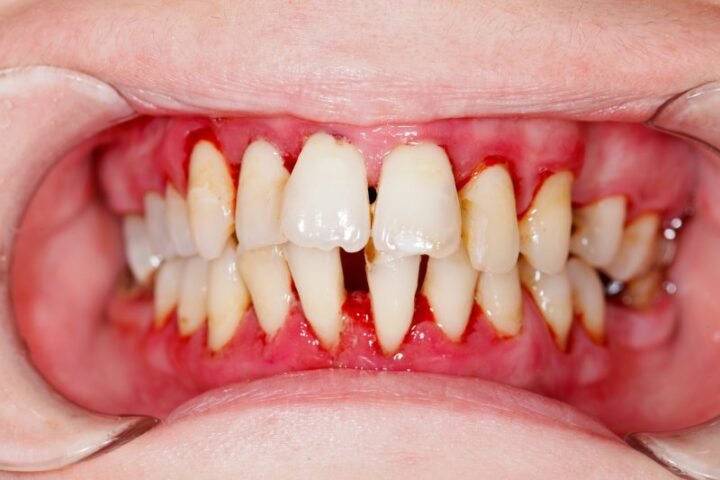
Many people underestimate the impact of tooth decay in young children. Untreated cavities can lead to pain, infection, and significant discomfort.
Common consequences of untreated decay include:
- Toothaches
- Difficulty eating
- Sleep disruptions
- Gum infections
- Abscess formation
Dental infections can sometimes spread beyond the mouth and affect overall health. Addressing dental concerns early helps prevent unnecessary complications and discomfort. Preventive care allows children to remain active, healthy, and focused on learning and play.
Early Dental Habits Create Lifelong Benefits
The habits children develop during their early years often continue into adulthood. Teaching proper oral hygiene while baby teeth are present helps establish routines that support lifelong dental health.
Parents can encourage healthy habits by:
- Brushing twice daily
- Assisting with flossing
- Limiting sugary snacks
- Scheduling regular dental visits
- Encouraging healthy beverage choices
Children who learn proper oral care early often develop greater confidence in managing their dental health independently as they grow older. Consistency during childhood creates a strong foundation for future success.
The Importance of Regular Dental Checkups
Routine dental visits allow professionals to monitor oral development and identify concerns before they become serious. Early examinations can detect small problems while they are easier to manage.
Benefits of regular dental visits include:
- Professional cleanings
- Preventive treatments
- Oral health education
- Monitoring tooth development
- Early cavity detection
Working with a trusted pediatric dentist in Portland provides families with valuable guidance on how to protect their child’s smile at every stage of development. Preventive care is one of the most effective ways to avoid costly and complex dental issues later on.
Tips for Caring for Baby Teeth at Home
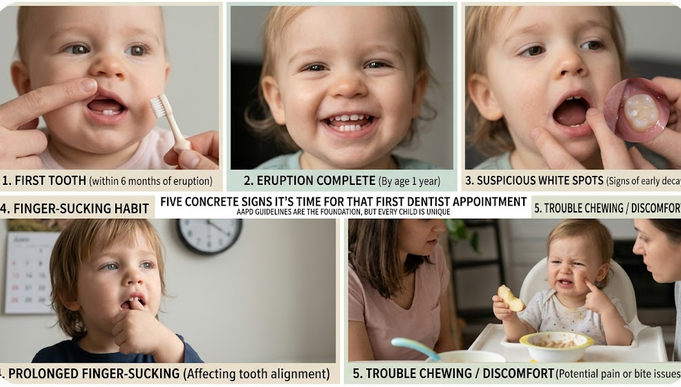
Good oral hygiene should begin as soon as the first tooth appears. Simple daily practices can make a significant difference in protecting primary teeth.
Helpful tips include:
- Clean gums before teeth emerge
- Use a soft-bristled toothbrush
- Brush with a small amount of fluoride toothpaste
- Avoid putting children to bed with sugary drinks
- Encourage water between meals
Parents in Portland can help their children develop healthy routines that support both immediate and long-term oral health. Small daily efforts often produce lasting results.
Conclusion
Baby teeth might be temporary, but they have a significant impact on a child’s health and development. They are essential for eating, speaking, and paving the way for permanent teeth. Proper care during these early years can prevent pain, reduce future dental issues, and support overall well-being. By partnering with a pediatric dentist and maintaining consistent oral hygiene, you can help your child enjoy a healthy smile throughout childhood and beyond. Investing in the care of baby teeth builds a strong foundation for lifelong oral health.