 IQnewswire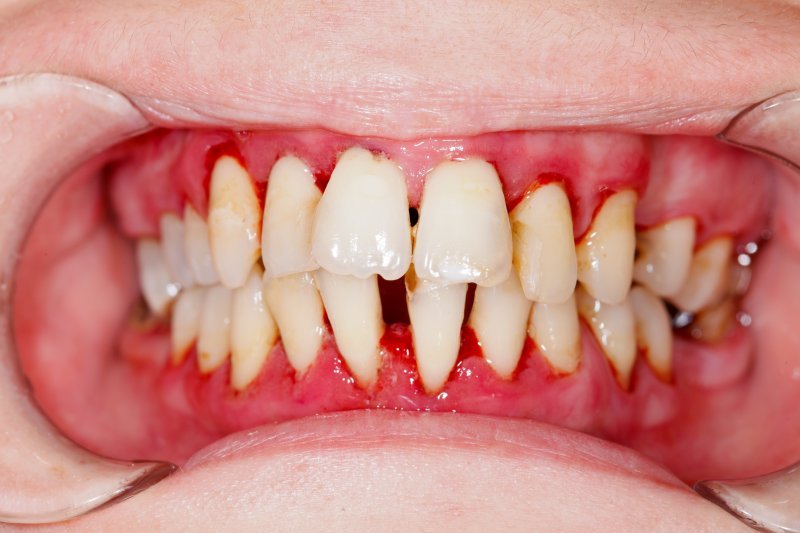
Roughly 47.2 percent of American adults past 30 carry a periodontitis diagnosis. Chew on that for a second. Bacteria accumulate, inflammation takes hold, and the tissues anchoring your teeth start breaking down — quietly, often painlessly, until real damage is already done. Left unchecked, you lose teeth. And the fallout doesn’t stay in your mouth; researchers have linked this disease to heart trouble, diabetes, and other systemic conditions nobody wants. Responding to it isn’t optional. It’s urgent.
Spot the Warning Signs Early
Early detection rewrites the outcome entirely. Red, puffy, or tender gums are usually first — particularly when they bleed during brushing or flossing. Persistent bad breath shows up too. Not the kind a mint fixes. The kind that lingers no matter what. Some people notice teeth that feel loose, or gums pulling back to expose more tooth than before. A bite that suddenly sits differently can signal progression. None of this should be ignored or waited out. Catch it sooner and the treatment stays simpler — and your odds of keeping your teeth climb sharply.
Book a Professional Dental Evaluation
Think you might have periodontitis? Schedule an appointment. Today, if possible. Your dentist will probe pocket depths around every tooth, assess the gum tissue, and pull X-rays to gauge bone loss. Here’s the hard truth: home assessment is useless here. Serious destruction can unfold below the gum line while you feel nothing at all. Depending on severity, a referral to a periodontist — someone whose entire career centers on gum disease — may follow. Only a proper clinical diagnosis gives you an accurate picture and a treatment path that actually matches what’s happening in your mouth.
Understand What Treatment Actually Looks Like
Treatment depends heavily on how far things have gone. Scaling and root planing — essentially a deep clean — is usually where it starts. Tartar and bacteria get cleared from below the gum line; the process typically spans a few appointments under local anesthesia. More advanced disease may demand surgery: flap procedures, bone grafting, tissue restoration. When periodontitis has already taken teeth, patients exploring high-quality dental implants in Placerville work with specialists who assess bone density and gum health before any placement happens. Antimicrobial medications packed directly into periodontal pockets can also suppress bacterial activity between visits. Know your options. Push for answers. Make decisions with your provider — not after the appointment ends.
Overhaul Your Daily Oral Hygiene Routine
Professional treatment only carries you so far. Home care covers the rest. Brush at least twice a day with a soft-bristled brush and fluoride toothpaste — no cutting corners. Floss daily; it reaches zones your brush physically cannot. If your dentist recommends an antimicrobial rinse, use it consistently. Patients who stay disciplined between visits show measurably better outcomes and slower disease progression. That’s not speculation — it shows up repeatedly in the clinical literature.
Adjust Your Lifestyle. Seriously.
Certain habits actively accelerate this disease. Smoking tops the list. It’s one of the strongest known risk factors for periodontitis, and quitting — even after a diagnosis lands — demonstrably improves healing and treatment response. Chronic stress flies under the radar as a contributor; it suppresses immune function and undercuts your body’s ability to fight infection. Diet matters too. Vitamin C and calcium support gum repair and bone integrity. Cut the sugary foods and drinks — they feed the bacteria you’re working to eliminate. These aren’t minor lifestyle tweaks. They’re the conditions your recovery depends on.
Don’t Skip Follow-Up Appointments
Treatment isn’t a single event. After initial care, most periodontists want patients back every three to four months — at minimum, early on. Regular check-ins catch any recurrence fast and let your provider course-correct before small setbacks compound. Eventually, as things stabilize, visits may stretch back to every six months. But some patients need tighter monitoring indefinitely. That’s just the reality of this disease. Consistent follow-up is what separates people who keep their teeth long-term from those who don’t.
Conclusion
Periodontitis is serious. But manageable. Catching symptoms early, getting a clinical evaluation without delay, and understanding exactly what treatment involves — those are the foundation. Build on them with disciplined daily hygiene, real lifestyle changes, and steady follow-up care, and you have a genuine defense against further progression. Don’t wait for things to deteriorate. Your dentist and any specialists involved are there to guide you — and getting your oral health back under control is absolutely within reach.