 Sophia Hart
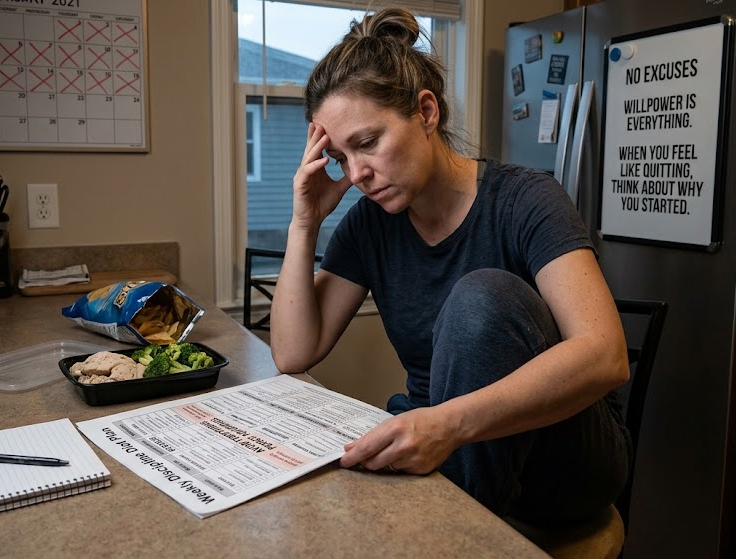
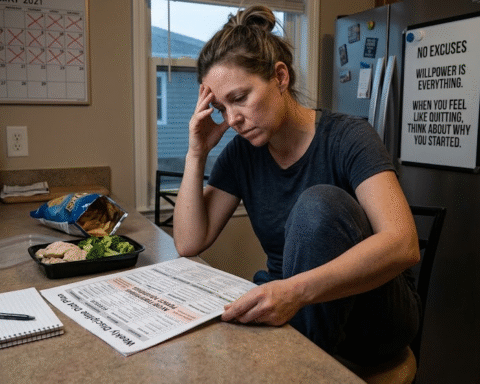
For years, weight loss has been presented as a test of discipline.
Follow the plan perfectly, avoid every tempting food, exercise even when you are exhausted and never allow motivation to disappear. When the routine becomes difficult to maintain, the problem is often blamed on the person rather than the plan.
Real life rarely works that neatly.
People have jobs, families, health conditions, stressful weeks and nights when sleep simply does not happen. Meals are not always prepared from scratch, workouts are sometimes missed and progress does not appear in a perfectly straight line.
A realistic approach to weight management needs to make room for those facts.
It should recognise that body weight can be influenced by appetite, genetics, hormones, sleep, stress, mobility, medical conditions, medication and everyday circumstances. Food and physical activity remain important, but they are parts of a much wider picture.
For some adults, changes to eating habits and movement may provide the support they need. Others may benefit from professional guidance or prescription treatment following a proper clinical assessment.
The healthiest approach is not necessarily the strictest or fastest. It is the one that is safe, personalised and realistic enough to become part of ordinary life.
The Problem With Starting Too Aggressively
Many weight-loss plans begin with a dramatic Monday morning.
The cupboards are cleared, a demanding workout schedule is created and every meal for the next month is planned in detail. For a few days, everything feels organised and motivating.
Then real life interrupts.
A meeting runs late. The weather ruins the planned walk. Someone suggests a takeaway. Sleep is poor, energy drops and the carefully built routine begins to feel impossible.
Once one part of the plan is missed, it is easy to believe the entire week has failed.
This is the all-or-nothing trap.
The problem is not always a lack of commitment. Sometimes the plan simply required too much change at once.
A more sustainable beginning may look less exciting. It could involve walking three times a week, improving one regular meal or creating a more consistent bedtime. These changes may not produce a dramatic social-media post, but they are much easier to repeat.
Long-term progress often comes from doing manageable things regularly rather than doing everything perfectly for a short time.
Build a Routine for Your Most Difficult Days
A health plan should not be designed only for days when energy and motivation are high.
It should also work on the Wednesday when work has been exhausting, dinner is late and exercise is the last thing anyone feels like doing.
One practical approach is to create two versions of the routine.
The full version might include a planned workout, a home-cooked evening meal and an early bedtime. The reduced version might involve a ten-minute walk, a simple balanced meal and switching off the phone slightly earlier.
Both versions count.
This prevents a difficult day from becoming a reason to abandon the entire plan.
The same principle can be applied to food. Keeping a few easy ingredients available can reduce reliance on last-minute choices. Eggs, frozen vegetables, tinned beans, yoghurt, fruit, wholegrain bread and pre-cooked grains can help create a quick meal without requiring an hour in the kitchen.
A routine becomes sustainable when it has enough flexibility to survive imperfect days.
Food Does Not Need to Become a Moral Issue
People often describe food as “good,” “bad,” “clean” or “guilty.”
This language can make eating feel like a constant judgement of personal character. A salad becomes proof of discipline, while a dessert becomes evidence of failure.
Food does not need to carry that emotional weight.
Some foods provide more fibre, protein, vitamins or minerals than others. Some are easier to overeat, while others may help someone feel satisfied for longer. These practical differences matter, but eating one less nutritious meal does not make someone unhealthy or unsuccessful.
A balanced eating pattern can include both nutrition and enjoyment.
It may help to focus on what can be added rather than only what must be removed. Adding vegetables to a familiar meal, including protein at breakfast or choosing a higher-fibre option can improve the overall pattern without making food feel unnecessarily restrictive.
Eating more slowly may also help some people notice when they begin to feel full. Reducing distractions during at least a few meals can make it easier to recognise hunger and satisfaction.
The goal is not to create a perfect diet. It is to develop an eating pattern that can be maintained without constant frustration.
Exercise Is More Than a Way to Burn Calories
Physical activity is often presented only as a method of increasing calorie expenditure.
That narrow view misses many of its most important benefits.
Movement can support heart health, strength, mobility, sleep, mood and confidence. It can make everyday activities easier and help people remain independent as they grow older.
Exercise also does not need to happen in a gym.
Walking, swimming, cycling, dancing, gardening and home workouts can all contribute to an active lifestyle. The best activity is usually one that suits the person’s health, interests and routine.
Someone who has been inactive for a long time may begin with short walks rather than an intense training programme. A person with limited mobility may need a different form of movement, ideally with appropriate professional guidance.
Strength exercises can also be useful because they help maintain and build muscle. This can support physical function during weight loss and make daily tasks feel easier.
A useful exercise routine should leave room for progression, but it should not feel like punishment for eating.
Sleep Can Change the Whole Day
Sleep is one of the first things people sacrifice when life becomes busy.
Unfortunately, tiredness can make nearly every other healthy habit more difficult.
A person who has slept poorly may have less energy to exercise, shop for food or prepare meals. Convenience options become more attractive, and it may be harder to manage appetite or make considered decisions.
Improving sleep does not always mean achieving an exact number of hours immediately.
It may begin with a consistent waking time, reducing late-night screen use or creating a short routine that signals the end of the day.
Even small changes can help.
The aim should not be to turn sleep into another area where perfection is required. Stressing about not sleeping perfectly can make the problem worse. It is more helpful to build a calm and repeatable routine where possible.
Anyone experiencing persistent sleep problems, heavy snoring or symptoms such as waking while gasping for air should discuss them with an appropriate healthcare professional.
Stress Is Not Just an Excuse
Stress can affect eating and movement in different ways.
Some people lose their appetite during difficult periods. Others may snack more frequently, eat for comfort or rely on convenient foods because planning feels overwhelming.
These responses are not evidence of weak character.
They are signals that the person may need a plan designed for stressful periods rather than advice that assumes every week will be calm.
It can help to identify common triggers. Is overeating more likely after a difficult working day? Does skipping lunch lead to intense hunger in the evening? Are weekends harder because the usual routine disappears?
Once a pattern becomes visible, it is easier to create a practical response.
That might include preparing lunch in advance, keeping a satisfying snack nearby or finding another way to unwind before reaching automatically for food.
Managing stress will not remove every challenge, but it can make the rest of the health plan easier to follow.
When Professional Guidance May Be Useful
Some people prefer to manage their own nutrition and activity routine. Others may benefit from speaking with a GP, pharmacist, dietitian, fitness professional or another appropriately qualified healthcare provider.
Professional support may be particularly valuable when someone has an existing medical condition, takes regular medicine or has repeatedly lost and regained weight.
It can also help people understand whether medical treatment might be clinically appropriate.
Digital healthcare has made these conversations more accessible for some adults. Instead of arranging travel and taking several hours away from work, a person may be able to complete a confidential assessment from home.
For example, Nume’s clinician-led weight management service allows eligible UK adults to provide information about their health, history and goals through an online consultation reviewed by a healthcare professional.
Nume’s current website states that treatment decisions are made through personal clinical review rather than automated approval, and that treatment is supplied only when it is considered suitable following individual assessment.
Online access can improve convenience, but prescription healthcare should never become an ordinary checkout process.
What a Proper Online Consultation Should Involve
A responsible online consultation should ask detailed questions.
These may cover height, weight, medical conditions, current prescriptions, allergies, previous treatment and relevant personal history.
Patients should answer honestly, even when they are worried that a particular response could affect their eligibility.
The consultation is not a test someone needs to pass.
Leaving out a condition or medicine may prevent the prescriber from identifying a potential risk. Information that appears unrelated can still influence whether a treatment is appropriate.
A clinician may approve treatment, request further evidence or decide that a different approach would be safer.
That final outcome is an important part of responsible prescribing.
A provider that is willing to decline unsuitable requests may be demonstrating better care than one that promises immediate approval to almost everyone.
Patients should also be able to understand who is reviewing their information and which pharmacy will dispense any approved prescription.
There Is No Single Treatment for Everyone
Weight-management support can include several different approaches.
Some people may benefit from dietary guidance, structured activity or behavioural support. Others may be eligible for prescription treatment after a clinical assessment.
Different treatments work in different ways and have different suitability requirements.
People researching weight loss treatments in the UK should therefore avoid choosing an option simply because it is currently popular or has been recommended by someone they know.
Nume’s weight-loss information explains that suitability depends on factors such as BMI, medical history, current medicines and individual health needs. It also states that healthier eating and regular physical activity remain central to long-term weight management.
A treatment that works well for one person may not be appropriate for another.
Preference can still be discussed. Some people may feel more comfortable with one treatment format than another. However, convenience and familiarity are only parts of the decision.
The prescriber must consider the complete clinical picture.
Look Beyond the First Delivery
When evaluating an online provider, it is easy to focus on the consultation and delivery time.
Follow-up care is equally important.
A patient may have questions after starting treatment. They may experience side effects, begin another medicine or notice a change in their health.
Before proceeding, it is helpful to understand:
How clinical questions can be submitted
How side effects should be reported
Whether repeat orders are reviewed
How progress is monitored
What happens if treatment is not effective
How changes to medicine or dosage are decided
What to do when health circumstances change
A weight-management service should not become difficult to contact once the first order has been delivered.
Continuing assessment is particularly important when prescription medicine is involved. A treatment that was initially appropriate may need to be reviewed as circumstances change.
Good care is an ongoing process rather than a single transaction.
Be Careful With Other People’s Results
Personal stories can be encouraging.
Seeing someone make progress may provide motivation and show that change is possible. However, another person’s result cannot predict what will happen for everyone else.
Their medical history, starting point, lifestyle and treatment plan may be completely different.
Online posts also tend to show the most dramatic parts of a journey. They may leave out plateaus, side effects, setbacks or the professional support involved.
Before-and-after photographs can make a long process look almost immediate.
It is healthier to use personal stories as inspiration rather than instruction.
Medical decisions should be based on individual assessment, not on the popularity of a video or the experience of a stranger.
People should also avoid prescription medicines offered through social-media messages, informal sellers or websites that do not perform appropriate clinical checks.
Convenience is not useful when the product may be counterfeit, incorrectly stored or unsafe for the person taking it.
Progress Is Bigger Than the Scale
Body weight can be useful to track, but it is not the only sign that a health plan is working.
Someone may be walking further, sleeping better or feeling stronger. They may find it easier to prepare meals or feel less controlled by intense hunger.
Clothes can fit differently even when the scale changes slowly. Improvements in fitness and strength can also happen independently of rapid weight loss.
Daily weight can fluctuate because of hydration, digestion, salt intake and hormonal changes.
A single measurement should not determine how someone feels about an entire week.
Looking at longer-term trends is usually more useful. Other measures may include waist circumference, energy levels, exercise performance or the consistency of daily habits.
The most appropriate way to monitor progress will depend on the person and any guidance given by their healthcare professional.
What Does a Truly Premium Service Mean?
In healthcare, the word “premium” should mean more than fast delivery or attractive packaging.
A high-quality service should make the patient feel informed, respected and supported.
That includes clear explanations, qualified clinical review, discreet communication and transparent information about what is included.
It should also involve a willingness to slow down when more information is needed.
The fastest possible approval is not always the safest outcome.
Sometimes quality means asking another question, checking a medical detail or advising someone to speak with their GP before continuing.
Privacy is another important part of the experience. People deserve control over who knows about their health decisions, and discreet delivery can make private care feel easier to access.
However, discretion should always sit alongside clear instructions and accessible professional support.
Health Plans Need Room for Normal Life
Birthdays, holidays, family meals and difficult weeks will still happen.
A sustainable plan should make room for them.
Eating one unplanned meal does not erase previous progress. Missing a workout does not mean the rest of the week has failed.
The important skill is returning to helpful routines without turning a temporary interruption into a complete restart.
This becomes easier when the plan is flexible.
A shorter workout can replace a missed full session. A quick meal can still be balanced enough. A busy week can involve maintaining progress rather than pushing for major change.
Health does not need to be perfect to be meaningful.
Final Thoughts
The conversation around weight management is gradually becoming more realistic.
It is moving away from the idea that everyone needs the same strict diet, workout or level of motivation.
A better approach recognises the influence of biology, health, lifestyle and personal circumstances. It combines practical habits with professional support where that support is needed.
Online healthcare can make weight-management services more accessible, but convenience should always be backed by clinical judgement.
People should understand who reviews their consultation, how treatment decisions are made and what support will be available afterwards.
They should also remember that prescription treatment, when appropriate, is only one part of a broader health plan.
Food, movement, sleep, stress and everyday routines still matter.
The most successful plan may not be the one that produces the fastest initial change. It may be the one that feels reasonable enough to continue when motivation drops and life becomes busy.
That is not a less ambitious approach.
It is a more human one.
This article contains general health information and is not a substitute for personalised medical advice from a qualified healthcare professional.
For More Update and Stories Visit: Info Records