 Sky Bloom IT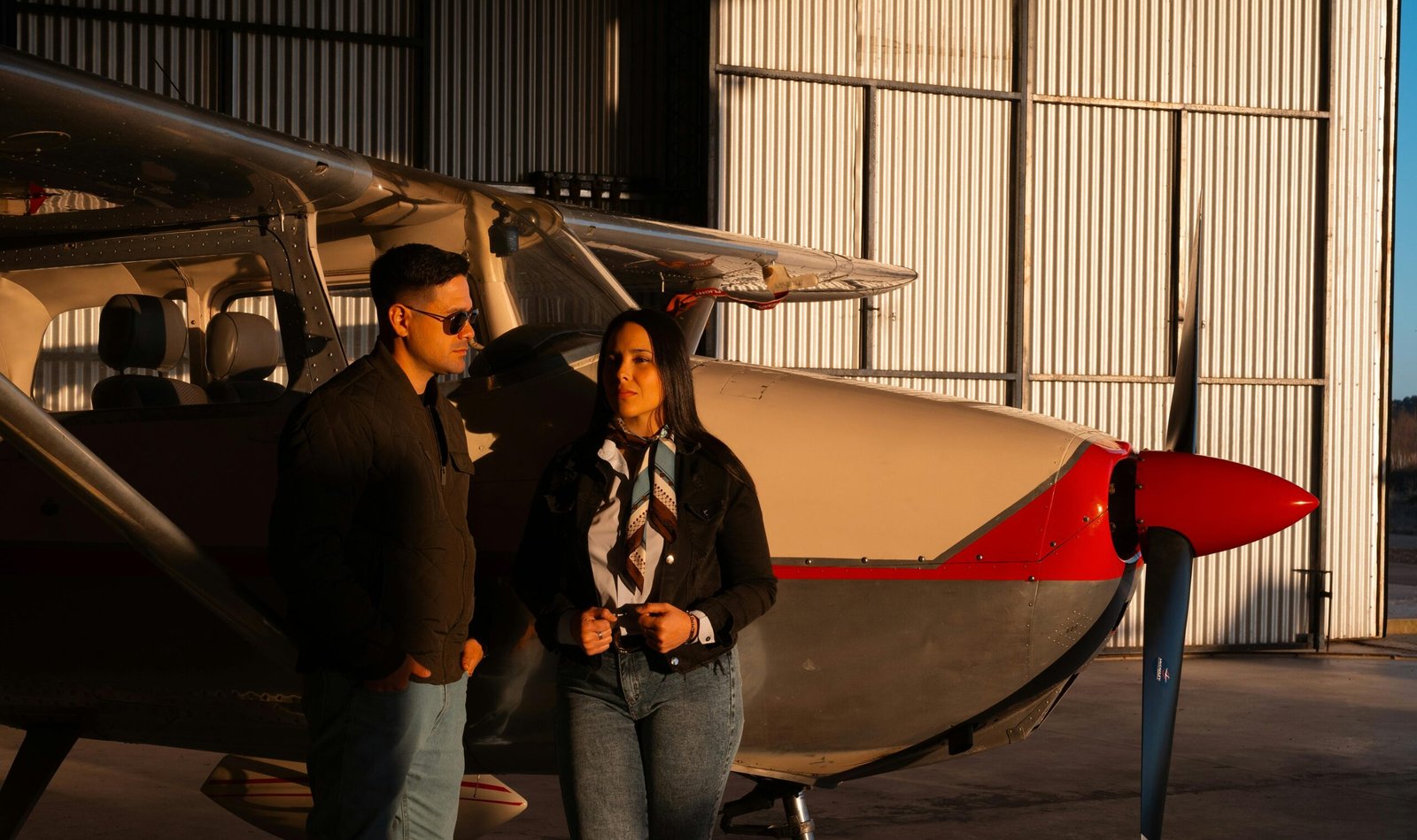
There’s something magical about the idea of flying, that moment when you’re no longer bound by roads or traffic, just open sky stretching endlessly ahead. For many, this dream stays just that: a dream. But it doesn’t have to. Earning a pilot’s license is absolutely within reach if you’re willing to put in the work, invest the time, and commit to the learning process.
Understanding the Types of Pilot Licenses
Before you start calling flight schools or browsing aircraft photos online, you’ll want to get clear on what type of pilot’s license actually matches your goals. Starting with a Private Pilot License makes sense for most people, it lets you fly for personal reasons, take passengers along for the ride, and explore the skies on your own terms. You can’t get paid for flying with just a private license, but that’s where the Commercial Pilot License comes in. If aviation is going to be your career, not just your hobby, commercial certification builds on what you learned as a private pilot and opens doors to paid flying opportunities.
Meeting the Basic Requirements and Prerequisites
Getting started with flight training isn’t as complicated as you might think, but there are definitely some boxes you’ll need to check first. In the United States, you’ve got to be at least 17 years old to earn your private pilot’s license, though you can start training at 16 and even fly solo at that age. English proficiency is non-negotiable since it’s the universal language of aviation worldwide, air traffic controllers and pilots communicate in English regardless of where you’re flying. You’ll also need to pass a medical exam administered by an FAA-authorized Aviation Medical Examiner, and for private pilots, that means at least a third-class medical certificate.
Selecting a Flight School and Instructor
This decision matters more than you might realize. The flight school and instructor you choose will shape your entire training experience, so it’s worth taking your time here. Start by researching local options, look at safety records, check out the condition of their aircraft, and ask about instructor qualifications and student success rates. Some flight schools operate under Part 61 regulations, which means more flexibility and personalized training schedules. Others are Part 141 certified, offering structured programs with set curricula. Neither is inherently better; it just depends on your learning style and schedule. Actually visit the schools you’re considering. Walk through their facilities, talk to current students if possible, and pay attention to how well-maintained everything looks. The relationship between you and your flight instructor is incredibly important, you’re literally trusting this person with your life while learning to fly. If the chemistry isn’t right, don’t hesitate to request a different instructor. Your comfort level directly impacts how well you learn. Also, look for schools with modern aircraft that have up-to-date navigation and communication systems, since you’ll want to be familiar with contemporary technology. When evaluating flight schools, professionals who need to test aircraft systems in various conditions rely on avionics test equipment to ensure all electronic instruments function properly before and during training flights.
Ground School and Knowledge Test Preparation
Here’s where the studying comes in. Ground school covers all the theoretical knowledge you’ll need before you ever take the controls, aerodynamics, weather patterns, navigation principles, aircraft systems, federal regulations, and flight operations. Some students prefer the structure of in-person classes at their flight school, while others appreciate the flexibility of online courses that let them study at midnight in their pajamas if that’s when they learn best. Plan on spending 40 to 60 hours on this phase, though everyone learns at their own pace.
Flight Training and Building Experience
Now for the fun part, actually flying the airplane. Under Part 61 regulations, you’ll need a minimum of 40 flight hours to qualify for your private pilot checkride, though many students actually need closer to 60 hours to feel fully prepared. These hours split between dual instruction with your certified flight instructor and solo time when you’re commanding the aircraft on your own (which is simultaneously terrifying and exhilarating). Your first lessons focus on the fundamentals: straight-and-level flight, coordinated turns, climbs, and descents.
The Checkride: Demonstrating Your Skills
Everything you’ve worked toward culminates in the practical test, or as it’s universally known, the checkride. This is where you prove to an FAA-designated examiner that you’re ready to be a certificated pilot. The checkride has two parts: an oral exam and a flight test. During the oral portion, which typically runs about two hours, the examiner will assess your aeronautical knowledge through questions and scenario-based discussions.
Conclusion
Earning your pilot’s license isn’t a quick or easy process, but few worthwhile achievements ever are. From those first days in ground school through the nervous excitement of your checkride, you’ll grow in ways that extend far beyond learning to operate an aircraft. Yes, it requires dedication, both in terms of time and money. Yes, there will be frustrating moments when a particular maneuver just won’t click or the weather keeps canceling your training flights.