 Elite
Elite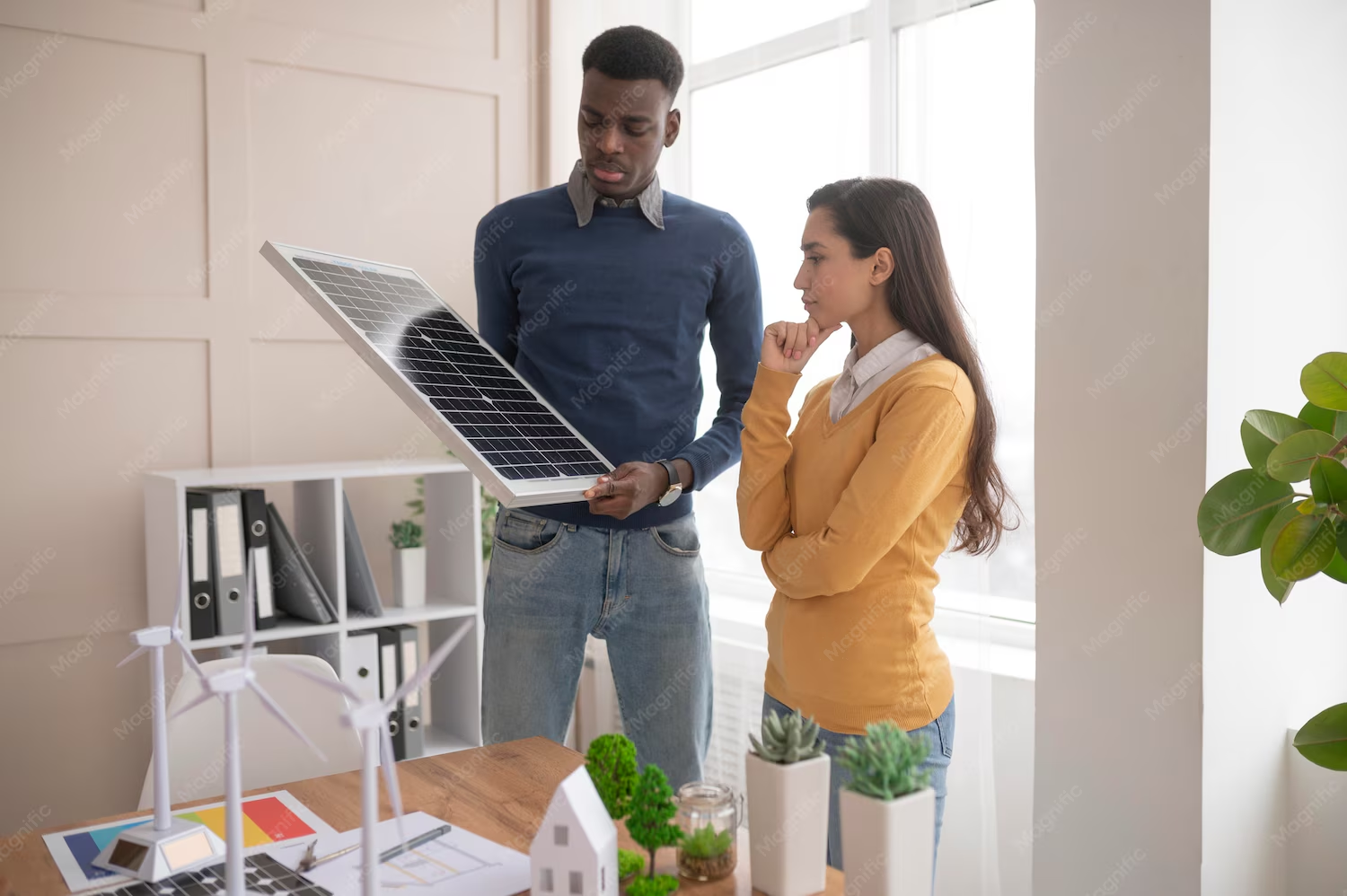
Making energy-efficient home improvements is a highly effective way to reduce your overall carbon footprint while significantly lowering monthly utility bills. By focusing on targeted upgrades, homeowners can enhance their living spaces, increase property value, and create a healthier indoor environment. From better insulation to modern heating systems, these changes offer lasting financial benefits.
Key Areas for Energy Savings
Improving the structural efficiency of your property is often the most impactful place to begin your sustainability journey. By addressing how your residence retains temperature and uses electricity, you can dramatically cut down on wasteful consumption.
Enhancing Your Home’s Insulation
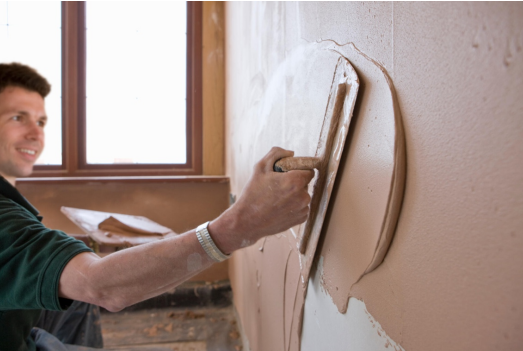
Proper insulation acts as a vital barrier against outdoor temperature fluctuations. When your walls, attic, and basement are thoroughly insulated, warm air stays inside during winter, and hot air remains outside during summer. This thermal resistance reduces the strain on your temperature control systems. Upgrading to high-quality materials, such as spray foam or blown-in cellulose, can eliminate drafts and prevent conditioned air from escaping, ensuring a consistently comfortable indoor climate throughout the year.
Upgrading Windows and Doors
Old, single-pane windows and poorly sealed doors are major culprits for energy loss. Replacing them with double- or triple-pane models equipped with low-emissivity coatings can make a massive difference. These advanced windows reflect infrared light, keeping heat inside during cold months and blocking heat during warmer seasons. Furthermore, installing weatherstripping and heavy-duty sweeps around doors prevents microscopic drafts. These upgrades not only improve thermal retention but also reduce outside noise pollution, making your living environment much more peaceful.
Efficient Heating, Ventilation, and Air Conditioning (HVAC) Systems
Your HVAC system likely accounts for the largest portion of your monthly energy consumption. Replacing an outdated furnace or air conditioner with a high-efficiency heat pump or a modern, energy-star-rated system can yield remarkable savings. Heat pumps, for instance, transfer heat rather than generating it, requiring a fraction of the electricity used by traditional resistance heaters. Additionally, scheduling regular maintenance, changing filters frequently, and sealing your ductwork will ensure your equipment runs at peak performance without drawing unnecessary power.
Garage Upgrades
Garages are frequently overlooked during home renovations, yet they present excellent opportunities for efficiency. Insulating your garage door and walls can prevent extreme temperatures from seeping into adjacent living spaces. Furthermore, as the automotive industry shifts toward electric vehicles, preparing your infrastructure is highly beneficial. For example, installing EV chargers for home in Salt Lake City or similar metropolitan areas ensures you have a reliable, dedicated power source for clean transportation. Upgrading garage lighting to LED fixtures also significantly reduces electricity usage in this highly utilized space.
Integrating Renewable Energy Sources
Transitioning away from fossil fuels by harnessing the power of natural resources provides both environmental benefits and long-term financial security. Renewable energy systems allow you to generate your own power, insulating you from fluctuating utility market prices.
Solar Panel Installation
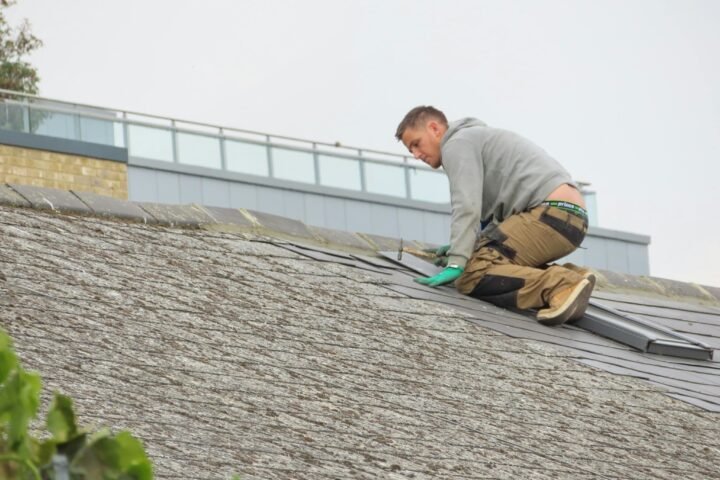
Capturing sunlight and converting it into usable electricity is one of the most popular ways to achieve energy independence. Modern photovoltaic panels are more efficient and aesthetically pleasing than ever before. By installing a solar array on your roof, you can offset a substantial portion of your household energy consumption. When paired with a residential battery storage system, you can even store excess power generated during the day for use at night or during grid outages, maximizing your investment.
Geothermal Heating and Cooling
Geothermal systems leverage the constant temperature of the earth just a few feet below the surface to regulate your home’s climate. By circulating fluid through a series of underground pipes, these systems extract natural heat during the winter and dissipate indoor heat during the summer. While the initial installation requires significant excavation and investment, geothermal heat pumps are incredibly efficient. They operate quietly, require minimal maintenance, and can drastically reduce heating and cooling costs over their extensive lifespan.
Smart Home Technology for Energy Management
Advancements in automation and data tracking make it easier than ever to monitor and control your resource consumption. By integrating intelligent devices, you can optimize your daily routines without sacrificing personal comfort.
Programmable Thermostats
Intelligent climate control devices learn your schedule and temperature preferences to optimize your HVAC operations automatically. Instead of heating or cooling an empty house while you are at work, a programmable thermostat adjusts the temperature to conserve power. Before you return, it brings the environment back to a comfortable level. Many modern units also factor in local weather patterns and humidity levels to make precise adjustments, ensuring no electricity is wasted.
Energy Monitoring Devices
Understanding exactly how and where you consume electricity is the first step toward reducing waste. Home energy monitors connect directly to your electrical panel, providing real-time data on your consumption habits. Through intuitive dashboard interfaces, you can identify which appliances draw the most power and spot abnormal usage spikes. This immediate feedback empowers homeowners to modify their behaviors, unplug vampire devices, and replace inefficient appliances before they cause a spike in utility costs.
Water Conservation and Efficiency
Energy efficiency extends beyond electricity and gas; conserving water is equally critical for a sustainable household. Reducing water consumption simultaneously lowers the energy required to heat and transport it.
Low-Flow Fixtures
Replacing standard showerheads, faucets, and toilets with low-flow alternatives drastically cuts down on water usage without compromising water pressure. Modern aerators mix air into the water stream, maintaining a strong flow while using a fraction of the volume. Upgrading to dual-flush toilets also gives users control over the amount of water utilized per flush. Because a significant portion of household energy goes toward heating water, installing these fixtures provides a dual benefit of lower water and gas bills.
Water-Efficient Landscaping
Maintaining a lush, green lawn often requires massive amounts of treated water, especially in arid climates. Transitioning to water-efficient landscaping, also known as xeriscaping, involves planting native, drought-resistant vegetation that thrives on natural rainfall. Utilizing mulch around garden beds helps retain soil moisture and prevents evaporation. Furthermore, installing drip irrigation systems instead of traditional sprinklers ensures that water is delivered directly to the root zones of your plants, eliminating runoff and wasteful overspray.
Financial Benefits and Incentives
While the upfront costs of efficiency upgrades can seem daunting, the long-term financial returns are undeniable. Every kilowatt-hour saved represents direct monetary savings on your monthly utility statements. Over the lifespan of these upgrades, the accumulated savings frequently exceed the initial investment.
Additionally, numerous financial incentives exist to make these projects more accessible. Local municipalities, state governments, and federal programs frequently offer tax credits, rebates, and low-interest financing options for qualifying improvements. Utility companies themselves often provide rebates for purchasing high-efficiency appliances or participating in peak-load reduction programs. By researching and utilizing these available financial tools, homeowners can significantly offset installation costs and accelerate their return on investment.
Conclusion
Investing in sustainable upgrades transforms your living space into an eco-friendly haven. Every single modification contributes to a greener planet and substantial long-term savings on your monthly utility bills. By implementing these practical home strategies, you take a vital step toward responsible homeownership. Embrace these energy-efficient solutions today and enjoy a truly comfortable, resilient home.
For More Update and Stories Visit: Info Records